
More
    Home Blog

    5 Reasons the Western Idaho Fair Is So Special

    0

    And Why Supporting Kids Who Raise And Sell Their Animals Might Be The Best One.

    There are plenty of reasons the Western Idaho Fair is one of those Idaho traditions we look forward to every summer. The food, rides, entertainment and nostalgia are all part of it — but tucked inside the livestock barns is something especially worth slowing down for.

    Behind every steer, lamb, pig and goat is a child who has spent months feeding, caring for, training and learning about that animal. They’ve gotten up early, kept records, tracked expenses, attended meetings, practiced showmanship and prepared to stand in front of judges and answer questions about the work they’ve done.

    So this year, don’t just head straight for the midway. Here are five reasons to experience the Western Idaho Fair — with one reason we think is especially cool.

    1. The Fair Food

    Part of the fun is eating something you probably wouldn’t order any other week of the year. Fair food is part of the tradition — grab your favorite, wander the grounds and make an evening of it.

    2. The Rides and Midway

    For kids, the lights and rides are often the first thing they see. For parents, watching them experience the fair can bring back memories of doing the exact same thing years ago. The midway is loud, colorful and unmistakably summer.

    3. The Entertainment and Exhibits

    The fair gives families a chance to see, hear and experience a little bit of everything in one place. Take the time to explore beyond your usual favorites — some of the best parts of the fair are the things you didn’t necessarily come to see.

    4. It’s an Idaho Tradition

    The Western Idaho Fair brings together families from across the Treasure Valley and beyond. It’s one of those places where agriculture, community, entertainment and generations of Idaho tradition all meet.

    5. The 4-H Kids — This One Is Worth Your Time

    This might be our favorite reason to go.

    Go inside the livestock barns. Meet these kids. Ask about their animals. And if you have the opportunity, support them at the livestock auction.

    For Eagle-area mom Jill Fredriksen, seeing 4-H firsthand completely changed her perspective on the program.
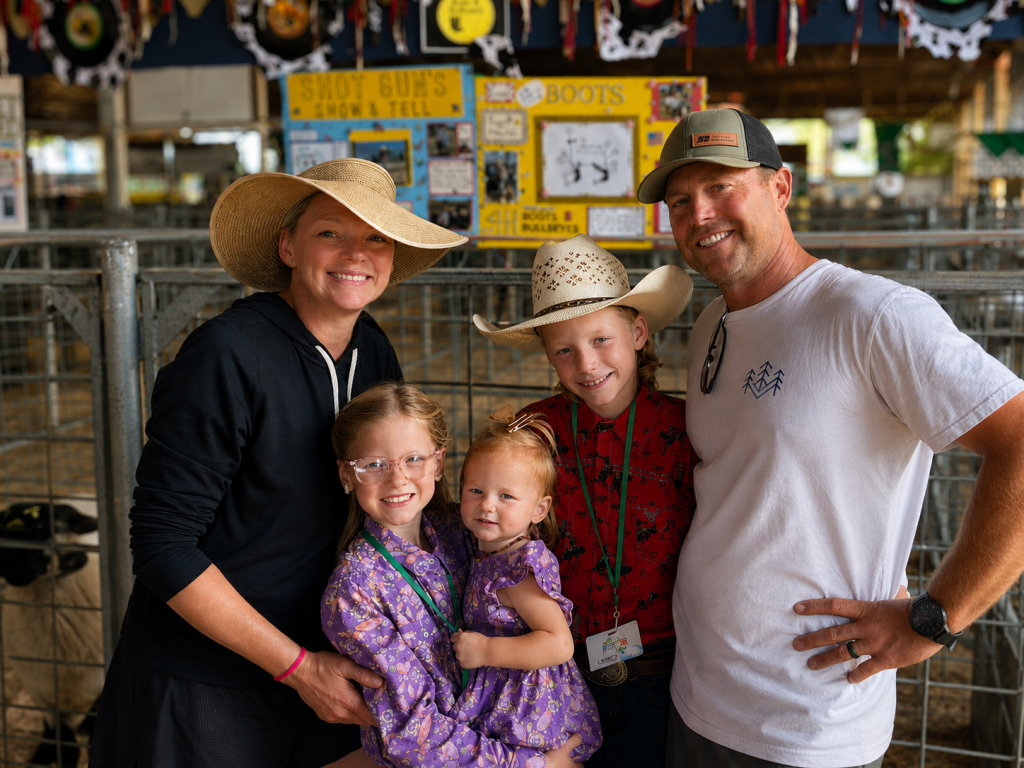
    “We were invited to the fair by another family,” Jill explained. “We watched their son showing his steer, and I remember realizing how serious it was. The judges are strict, the kids work incredibly hard, and there’s so much responsibility involved. I saw right away that this wasn’t just a hobby.”

    What began as an invitation to watch another child eventually became something Jill wanted for her own family.

    Today, two of her three children participate in 4-H, and Jill has become involved herself, even completing the training required to become a volunteer sheep leader.

    And what she has discovered is that 4-H isn’t simply about raising livestock.

    It’s about raising kids.

    Responsibility You Can See

    Through the University of Idaho Extension, 4-H gives children opportunities to learn through hands-on projects. Livestock may be one of its most visible traditions at the Western Idaho Fair, but kids can participate in projects ranging from baking and gardening to fishing, photography, shooting sports and more.

    Children as young as five can begin through Cloverbuds, while older children can take on larger livestock projects including sheep, pigs and steers.

    Whatever they choose, participation requires commitment.

    Kids attend club meetings, complete projects and community service, maintain detailed record books and learn to track the real expenses associated with raising an animal. They also prepare for interviews with judges who want to know whether the child truly understands the project.

    “They can tell immediately if the parents did all the work,” Jill laughed. “The judges ask the kids questions about feeding, costs, care and responsibility. The kids really have to know their stuff.”

    Watching Taddy Step Up

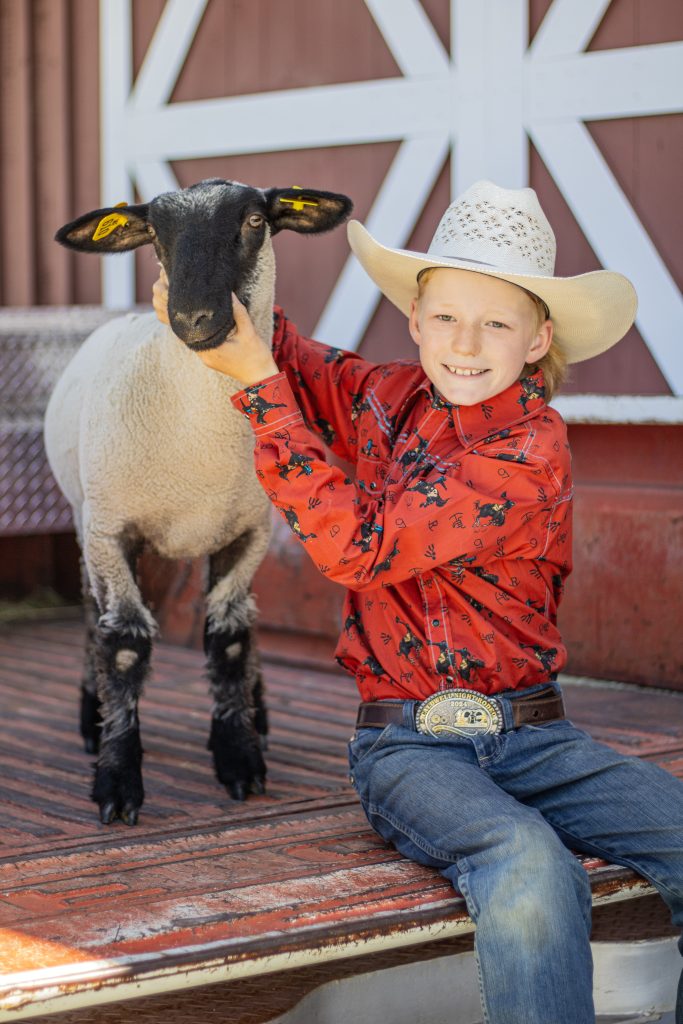
    For Jill, watching her son Taddy grow through 4-H has been one of the most rewarding parts of the experience.

    He went from watching older kids show livestock to becoming the child responsible for feeding, caring for and working with his own animals. Along the way, he has also had to learn something many adults still find intimidating: how to walk up to people, introduce himself and ask for their support.
    Photos by Mikayla Herrera

    Before the livestock auction, participants can reach out to community members and businesses and invite them to come support their projects.

    Jill remembers taking Taddy to deliver one of those letters to a local business. Instead of simply accepting it, the person they approached stopped what he was doing, came over and gave Taddy his full attention.

    For Jill, watching her son have that conversation was a proud mom moment.

    Those interactions are part of the education too. Kids are learning to communicate with adults, advocate for something they’ve worked hard for and confidently represent themselves.

    Gracelyn Learns the Hardest Lesson

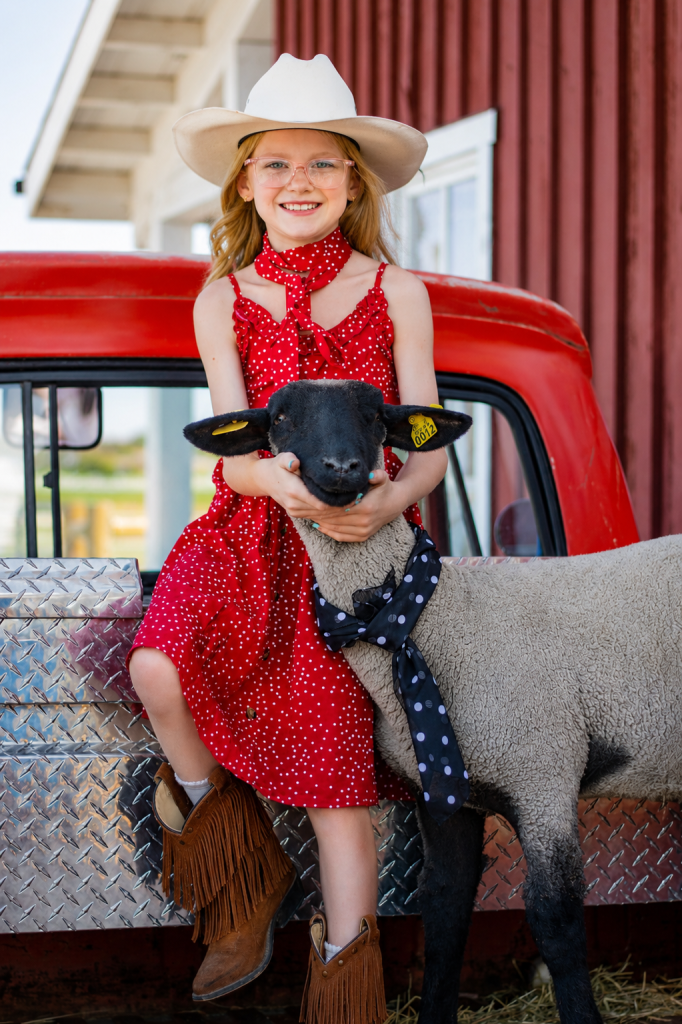
    For Jill’s daughter Gracelyn, 4-H brought a very different lesson.

    She loved her lamb and initially had no intention of selling it.

    Then, while shopping for Gracelyn’s showmanship outfit, Jill happened to meet a 22-year-old woman who overheard them talking about 4-H. She had grown up in the program herself and offered to help.
    Photos by Mikayla Herrera

    Jill eventually invited the young woman to their home to mentor the kids and pretend to be a judge so they could practice before the fair.

    During that visit, she explained something to nine-year-old Gracelyn that Jill hadn’t been able to. “You are a rancher. You are a farmer. This animal is for food on people’s plates.”Jill stayed quiet and let her daughter process it. Soon afterward, Gracelyn made her decision. She wanted to auction her lamb.

    It was an emotional milestone, but also one of the lessons at the very foundation of agricultural life: loving and responsibly caring for an animal while understanding the purpose for which it was raised.

    Then Gracelyn walked into the show ring — sparkly outfit and all — and earned second place. “It didn’t matter because she was her and she owned it,” Jill said.

    Now It’s Our Turn to Show Up

    The children have done their part. Now the community has an opportunity to do ours.

    At the livestock auction, businesses and individuals can support the young people who raised these animals. And support doesn’t have to begin and end with purchasing an entire animal. Jill has seen community members and businesses contribute at different levels simply because they want these kids to know their hard work matters.

    “You meet these kids, you hear their stories, and suddenly you’re invested in them,” Jill said.That may be the best reason of all to visit the livestock barns this year.

    Don’t just look at the animals. Talk to the kids. Ask them their animal’s name. Ask how long they’ve been raising it. Ask what time they get up to feed it. Ask what they’ve learned. Ask what they want to do when they grow up.

    You may be surprised by the confidence, knowledge and work ethic of the child standing in front of you. And if you’re a local business owner, consider showing up for the auction and supporting them.

    One Family Invites Another

    Perhaps one of the greatest things about 4-H is how it continues to grow: one family introduces another family, who brings another child into the experience. That’s how Jill’s family found it, and now Jill is doing the same.

    It’s a ripple effect of families, volunteers, older students, agricultural businesses and community members pouring their knowledge into the next generation.

    Older 4-H members mentor younger children. Volunteers become leaders. Businesses support stock shows and livestock projects. Former 4-H kids grow up and return to help the next group coming behind them.

    Jill has watched that cycle happen right in front of her own children.

    Come Find Them at the Fair

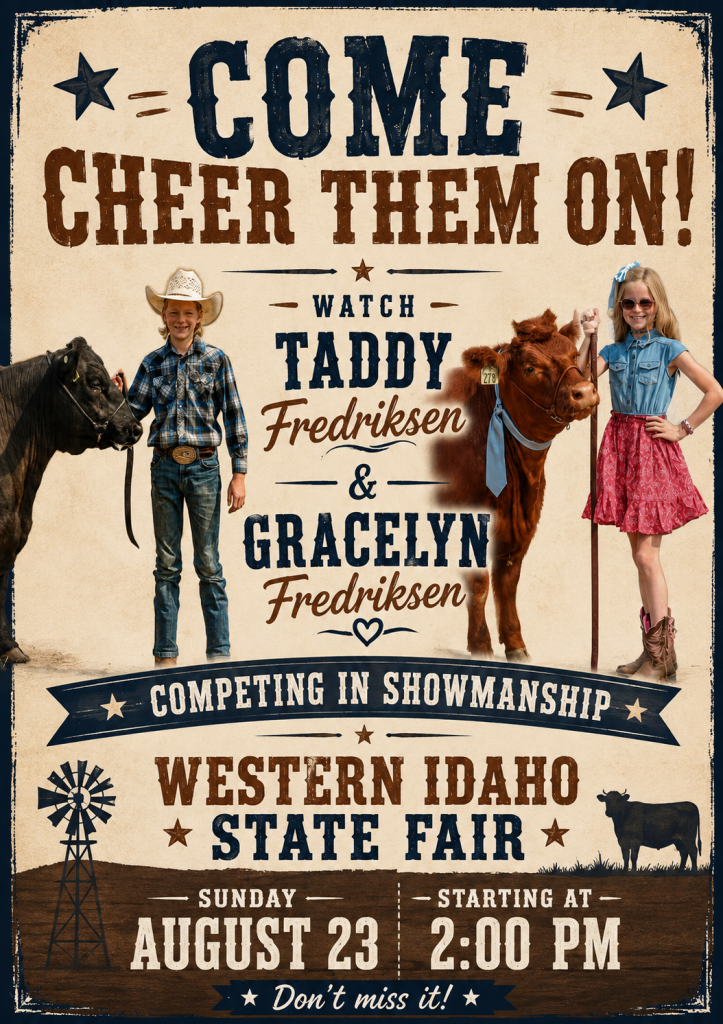
    Jill hopes community members will make the livestock barns part of their Western Idaho Fair experience this year.

    Come meet the children who have spent months preparing for these few important days. Watch them show their animals. Ask them questions. Learn their stories. And when auction day arrives, consider supporting the livestock they’ve worked so hard to raise.

    If you have children of your own, this is also one of the best places to discover what 4-H is really about.
    Walk through the barns. Talk to the families. Ask how to get involved next year.

    You might arrive simply wanting to see the animals and leave realizing your own child could be standing in that show ring next summer.

    Because behind those ribbons, boots and livestock trailers is something much bigger.

    4-H isn’t only raising animals for the Western Idaho Fair. It’s helping raise Idaho’s next generation of responsible, capable and hardworking young people.

    And that’s something worth showing up for.
    Boise Airport Expands with New Nonstop Flights to Hawaii, Wine Country and Alaska

    0

    Your next getaway just got a whole lot easier.

    For Treasure Valley travelers dreaming of warm beaches, mountain adventures, or a weekend in wine country, exciting news has arrived. The Boise Airport (BOI) continues to expand its growing list of nonstop destinations, making travel more convenient than ever for Idaho residents.

    Aloha, Hawaii!

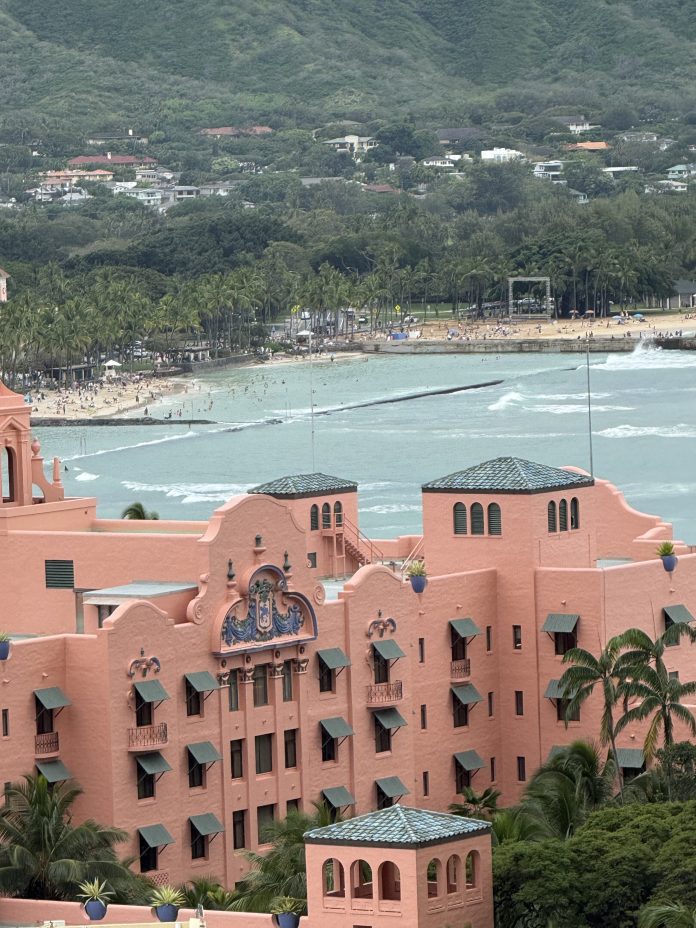
    Beginning December 17, 2026, Alaska Airlines will launch daily nonstop service from Boise to Honolulu, operating through March 21, 2027. The seasonal route gives Treasure Valley travelers a direct path to one of the world’s most sought-after vacation destinations—without the hassle of connecting flights.

    The addition of Honolulu wasn’t by chance. Hawaii was identified as a high-demand destination through Boise Airport’s Air Service Incentive Plan, a strategic effort to attract routes that reflect where local travelers want to go most.

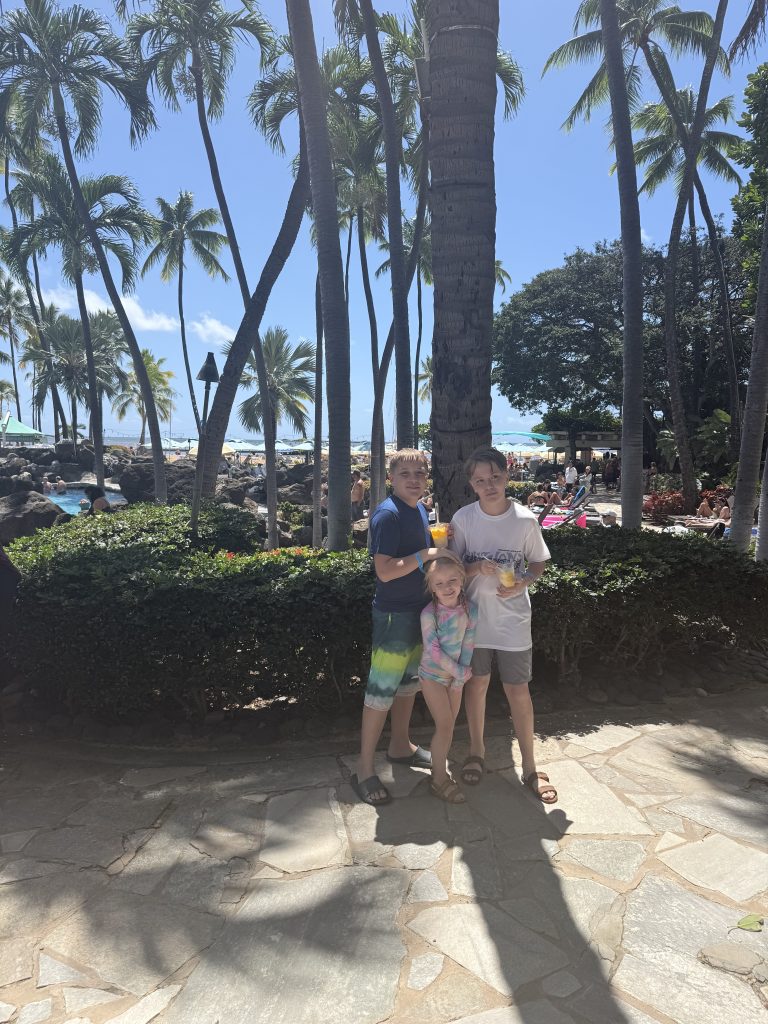
    Whether you’re escaping Idaho’s winter for sunshine on Waikiki Beach, celebrating the holidays in paradise, or planning a spring break adventure, this new route makes Hawaii more accessible than ever.

    More Ways to Explore

    The Honolulu announcement is just one of several exciting additions to Boise Airport’s growing network.

    Earlier this summer, Alaska Airlines launched twice-weekly nonstop service to Anchorage, giving travelers easy access to Alaska’s breathtaking wilderness, fishing, wildlife, and outdoor recreation. The seasonal route began June 10 and operates through mid-August.

    Wine lovers also have something to celebrate. Beginning November 2, Alaska Airlines will offer nonstop service to Santa Rosa, California, placing travelers just minutes from the heart of Sonoma County’s renowned vineyards, world-class restaurants, and scenic countryside.

    Boise’s Growing Reach

    With these additions, Boise Airport now offers 29 nonstop destinations, continuing its impressive growth as one of the fastest-expanding regional airports in the West.

    The expanded service reflects the Treasure Valley’s booming population, thriving business community, and increasing demand for convenient air travel. More nonstop options mean less time spent in connecting airports and more time enjoying your destination.

    Whether you’re planning a tropical escape, an Alaskan adventure, or a relaxing weekend among the vineyards, your next vacation may now begin with a simple nonstop flight from Boise.

    As the Treasure Valley continues to grow, Boise Airport is proving that world-class travel opportunities are closer to home than ever before.

    8th Street Pedestrian Block is Almost Done

    0

    There was a time when 8th Street wasn’t a place to linger. It was a place to go.

    For decades, 8th Street functioned as a traditional downtown roadway. Cars moved through the heart of the city, while sidewalks carried pedestrians from one business to another.

    Then 2020 changed the equation.

    When Boise closed portions of 8th Street to vehicle traffic during the COVID-19 pandemic, restaurants were able to expand into outdoor spaces, and pedestrians began occupying the street itself. What was once a road became a place to sit, eat, meet friends and simply be downtown.

    The experiment worked.

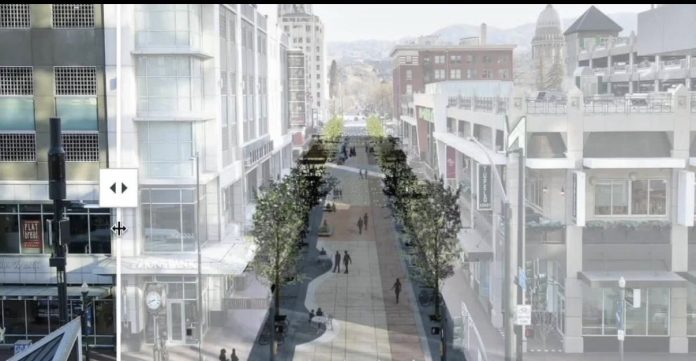
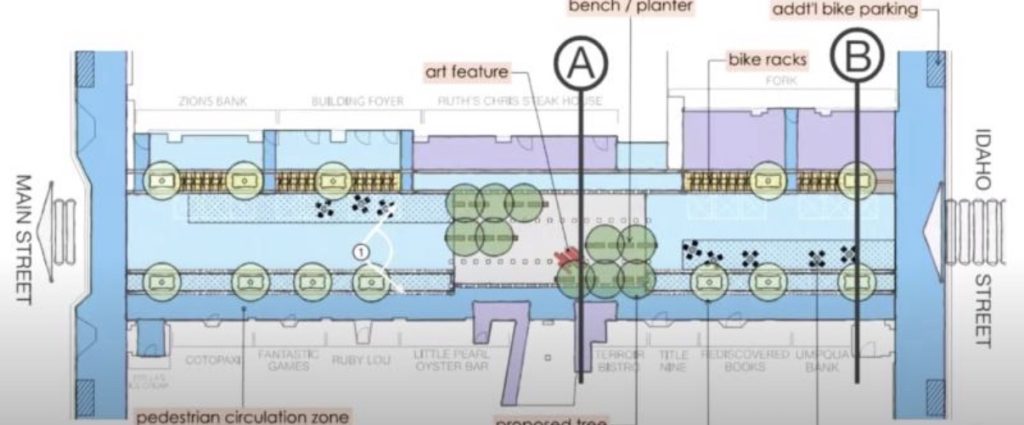
    Over time, the temporary pedestrian corridor became one of downtown Boise’s defining public spaces. The city ultimately moved toward making the two blocks between Main and Bannock permanently car-free.

    Today, the two blocks of 8th Street between Main and Bannock are among the most recognizable gathering places in downtown Boise—a pedestrian corridor filled with restaurant patios, laughter, bicycles, art and people moving between some of the city’s most beloved businesses.


    New E-Bike Rules Aim to Improve Greenbelt Safety, But Crowded Areas Still Need More Attention

    0

    By Tia Crabtree | It’s a Boise Thing

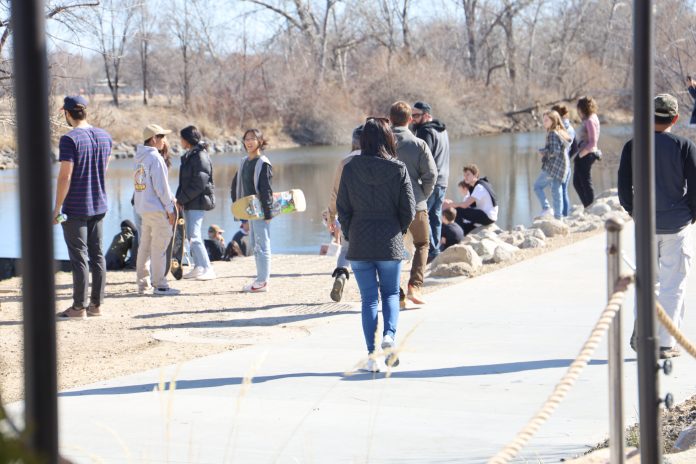
    As Treasure Valley communities continue to grow, so does the number of people using the Boise River Greenbelt. Walkers, runners, families with strollers, skateboarders, scooters, cyclists, and now electric bikes all compete for the same pathway, creating safety concerns that have become increasingly difficult to ignore.

    Garden City has adopted new regulations aimed at addressing the rapid increase in electric bicycle traffic along portions of the Greenbelt. The goal is simple: improve safety for everyone sharing one of the region’s busiest recreational corridors.

    While the new e-bike rules are a positive first step, they may only address part of the larger issue.

    Over the years, I’ve witnessed several accidents and near misses along the Greenbelt, particularly in some of its busiest sections between Luciano’s Restaurant and The Riverside Hotel. These aren’t just problems involving electric bikes. High-speed cyclists, skateboarders, and other wheeled users can all create dangerous situations when traveling through heavily congested pedestrian areas.

    One incident has stayed with me for years.

    Near the Boise Whitewater Park surf wave, I watched an older cyclist traveling eastbound at what appeared to be an extremely high rate of speed. A father standing near the path was holding his baby while watching surfers below. As he leaned slightly toward the river for a better view, the cyclist’s handlebars clipped the father’s elbow.


    Thankfully, the father and baby were not injured. The impact, however, caused the cyclist to lose control and crash into the rocks alongside the Greenbelt. He was extremely banged up, and it was a sobering reminder of how quickly a split-second incident can turn into a serious accident. The father hadn’t stepped far into the pathway—he had simply shifted his position for a moment to watch the surfers. The accident underscored the importance of traveling at a safe speed in areas where pedestrians naturally stop to enjoy the river.Add that luckily that the father and baby were OK but the cyclist fell into the rocks and was extremely banged up

    Anyone who regularly visits the area knows that the stretch near the surf wave is one of the busiest on the entire Greenbelt. Families stop to watch surfers, tourists gather for photos, people enter and exit nearby restaurants, and pedestrians naturally pause to enjoy the scenery.

    These are locations where slowing down should be expected.

    As the Treasure Valley continues to grow, it may be time to consider designated dismount zones in the most congested areas rather than relying solely on speed limits or new e-bike regulations. Similar to pedestrian-heavy districts in other cities, requiring riders to walk their bikes through the busiest sections could significantly reduce the likelihood of serious collisions.

    There may also be opportunities to improve awareness through additional signage, speed feedback displays, or other creative reminders that encourage cyclists to reduce speed before entering crowded areas. While any solution presents challenges—including maintenance and potential vandalism—the conversation is worth having before more preventable accidents occur.

    The Greenbelt remains one of the Treasure Valley’s greatest community assets. As usage continues to increase, finding the right balance between recreation, transportation, and pedestrian safety will require thoughtful planning from local governments and cooperation from everyone who uses the pathway.

    The new e-bike regulations are a meaningful step forward. But if the goal is preventing accidents, the next conversation may need to focus less on what people are riding—and more on where everyone should slow down.

    Friday Night Fuego May 29th: Santana, Motown, Eagles and more…

    0

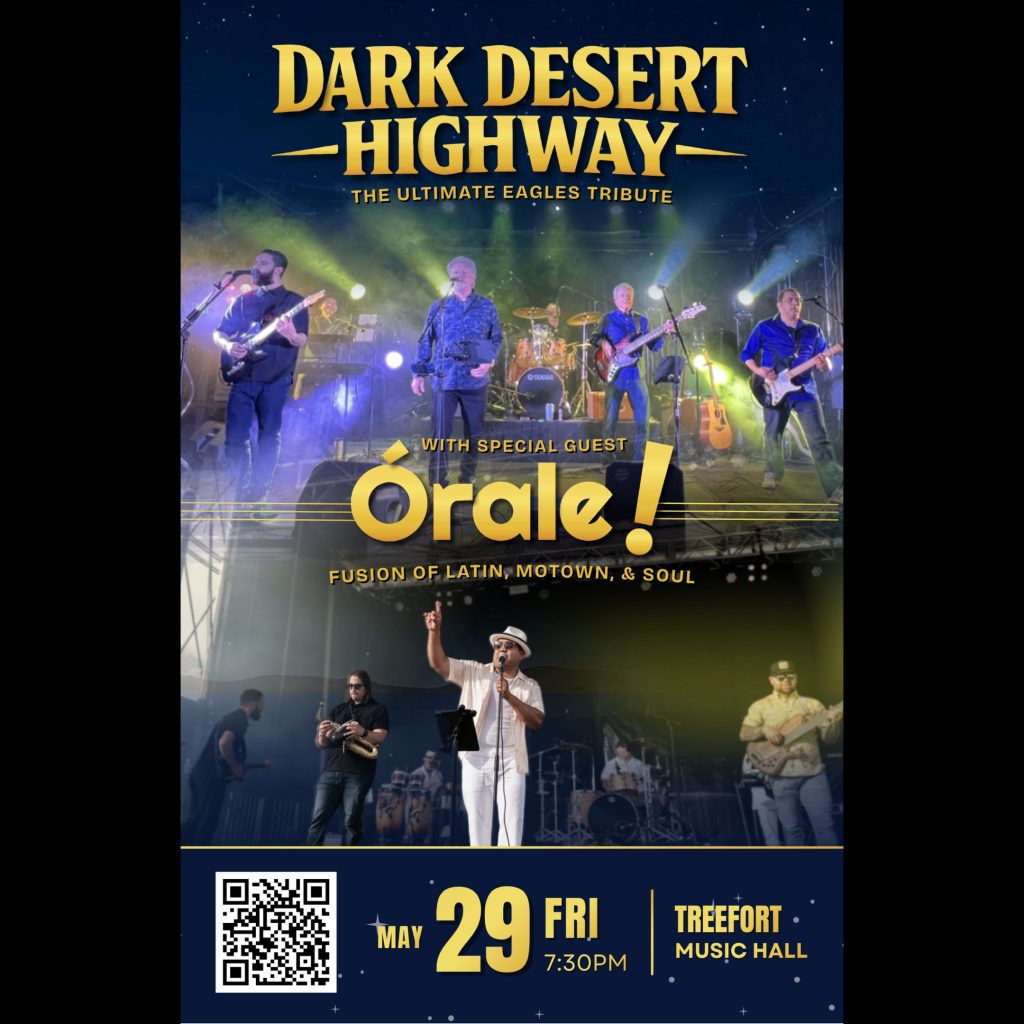
    Boise is about to get a full-volume, high-energy crossover night built for dancing, nostalgia, and live-band chemistry. On May 29, two local forces—Steve Celi and Koki Gonzalez—are teaming up for Friday Night Fuego at Treefort Music Hall, bringing together two very different but surprisingly complementary musical worlds under one roof.

    This is one of those only-in-Boise kind of shows: a packed downtown venue, two established local bands, and a shared stage concept built around feel-good, crowd-moving music.

    Two bands, one night, one shared mission

    On one side of the bill is Steve Celi, frontman of the acclaimed Eagles tribute project Dark Desert Highway. Built originally as a backyard birthday experiment that evolved into a full touring band, Celi’s group is known for tight harmonies, polished musicianship, and faithful-but-lively renditions of The Eagles catalog. Expect classics like “Take It Easy,” “Hotel California,” and “Life in the Fast Lane,” delivered with a sound designed to hit both nostalgia and live-show energy.

    On the other side is Koki Gonzalez, frontman of the Boise-based band Órale, a Latin soul and R&B-influenced cover band that thrives on movement and rhythm. Their sets pull from a wide mix—Santana grooves, Motown staples, and modern dance-floor favorites like Bruno Mars—built specifically to get audiences out of their seats.

    Together, the pairing isn’t about blending into one sound—it’s about contrast. Celi brings precision harmonies and classic rock storytelling. Gonzalez brings pulse, rhythm, and crowd interaction.

    How Friday Night Fuego came together

    The collaboration didn’t start as a formal booking—it started through shared musicianship and mutual connections, including guitarist Dominic, who plays in both bands. That overlap turned into conversations, then into a shared idea: instead of competing shows, why not create a single night that highlights both styles?

    That idea eventually became Friday Night Fuego—a name that stuck after a few playful attempts at branding the event. The concept is simple: one venue, two full sets, and a shared audience that stays for the entire experience.

    Celi’s perspective was straightforward—he wanted a venue with great sound, strong lighting, and space for people to actually move. Órale, meanwhile, already had a reputation for drawing energetic, interactive crowds. Putting those two dynamics together is what made the idea click.

    What the night will look like

    The structure is built like a double feature:

    Órale opens the night with a full set of Latin soul, R&B, and dance-heavy covers
    Dark Desert Highway follows with an Eagles tribute set packed with harmonies and singalongs. Select moments may bring both bands together on stage for collaborative songs.

    Doors open around 6:30 p.m., with music starting at 7:30 p.m. The intent is not background music—it’s a full-on live experience designed for dancing, singing, and staying late.

    A Boise music moment with bigger ambitions

    Beyond a single night, both artists have hinted that Friday Night Fuego could grow into something larger. With Boise’s active live music scene and venues like Treefort Music Hall, Knitting Factory, and Egyptian Theatre, the concept could easily evolve into a recurring series or even a rotating showcase featuring different local acts under the same “Fuego” banner.

    For now, though, the focus is simple: one night, two bands, and a shared goal of turning a downtown Boise venue into a dance floor.
    As Gonzalez put it, the energy is about more than music—it’s about participation. And as Celi emphasized, it’s about giving people a reason to put their phones down and stay in the moment.

    Friday Night Fuego is shaping up to be exactly that kind of night.

    Ticket Link: https://link.dice.fm/R8e3062616d1

    Website Links:
    https://treefortmusichall.com/shows/dark-desert-highway/
    https://www.darkdeserthighwayband.com/

    DDH YouTube
    @darkdeserthighwayband
    @the_orale_band

    Discover Your Purpose with Vision Boards: Inside Pam Pech’s “Discovery of Self”

    0

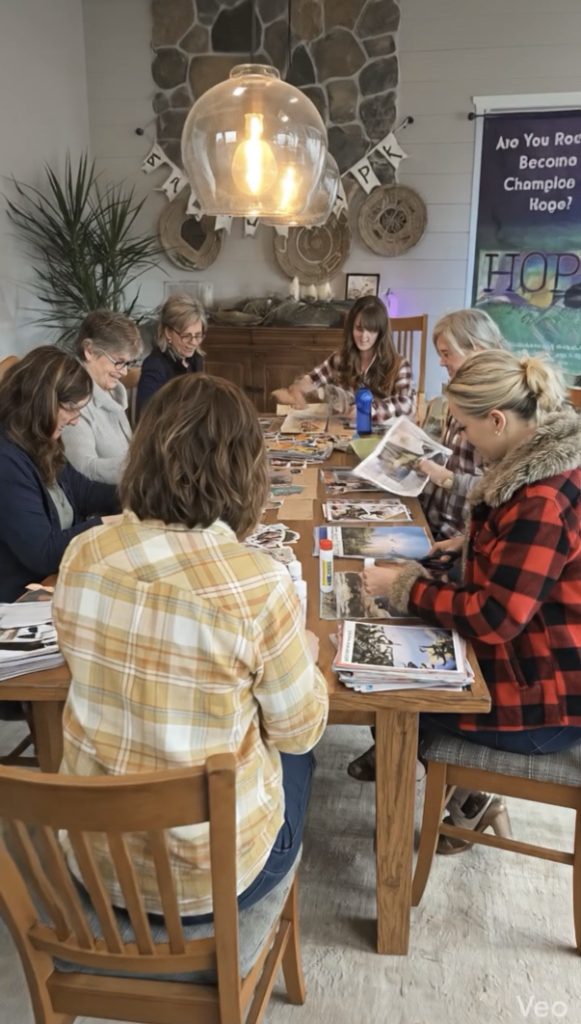
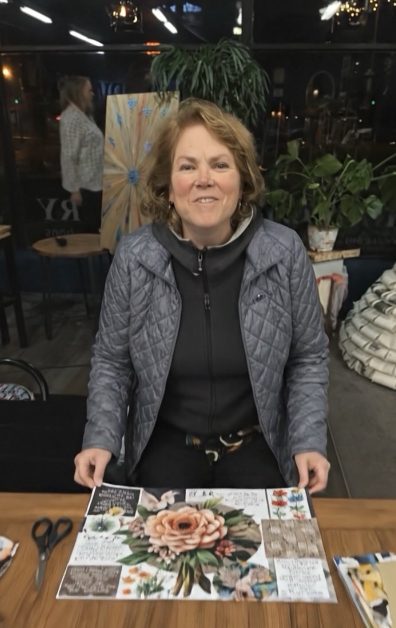
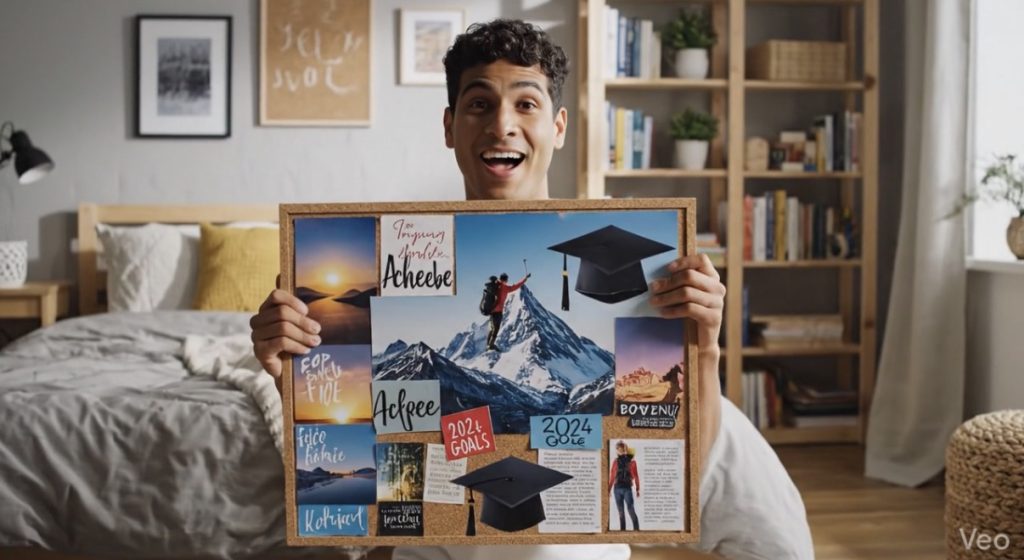
    If you’ve ever felt like your goals are just floating ideas instead of a clear path forward, Pam Pech’s Discovery of Selfintentionally styled with a lowercase “d” in discovery to represent your personal spark of divinity—offers a creative, hands-on way to bring those visions to life. Through guided vision board experiences, Pam helps individuals turn inspiration into intention—one image, one thought, and one goal at a time.

    What Is discovery of Self?

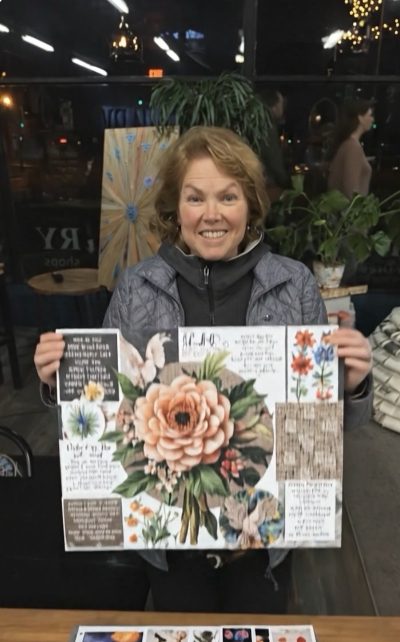
    discovery of Self is not just about crafting a beautiful board—it’s about curating your future. Pam provides a welcoming, judgment-free space where participants can explore their dreams using images, textures, and personal reflection.

    There are three different sizes of vision boards available, allowing you to go as big or as focused as you want. Want to map out your entire life vision? Go large. Narrowing in on a single goal like a kitchen remodel or career move? A smaller board might be perfect. And there are no limits—you can even create multiple boards if you’re exploring different directions in life.

    No Rules, Just Possibility

    One of the most refreshing parts of discovery of Self is simple: there are no rules.

    You can spend hours thoughtfully crafting your board or complete it in a quick, focused session. You can share your vision with a group or keep it entirely private. Whether you’re working through personal goals, creative dreams, or life transitions, the process is yours.

    Pam even provides journals with blank pages—encouraging participants to go beyond visualization and start mapping out real, actionable steps. Because while vision is powerful, progress happens when you begin to move toward it.

    The Power of Images and Intuition

    Using a curated mix of magazines, images, and materials, participants are encouraged to follow what resonates—even if it doesn’t immediately make sense.

    This philosophy is inspired by the work of Carl Jung, who believed that images can unlock deeper layers of the subconscious. Sometimes a picture simply “calls” to you, sparking awareness, emotion, or clarity you didn’t know you needed.

    That unexpected connection? It’s part of the magic within discovery of Self.

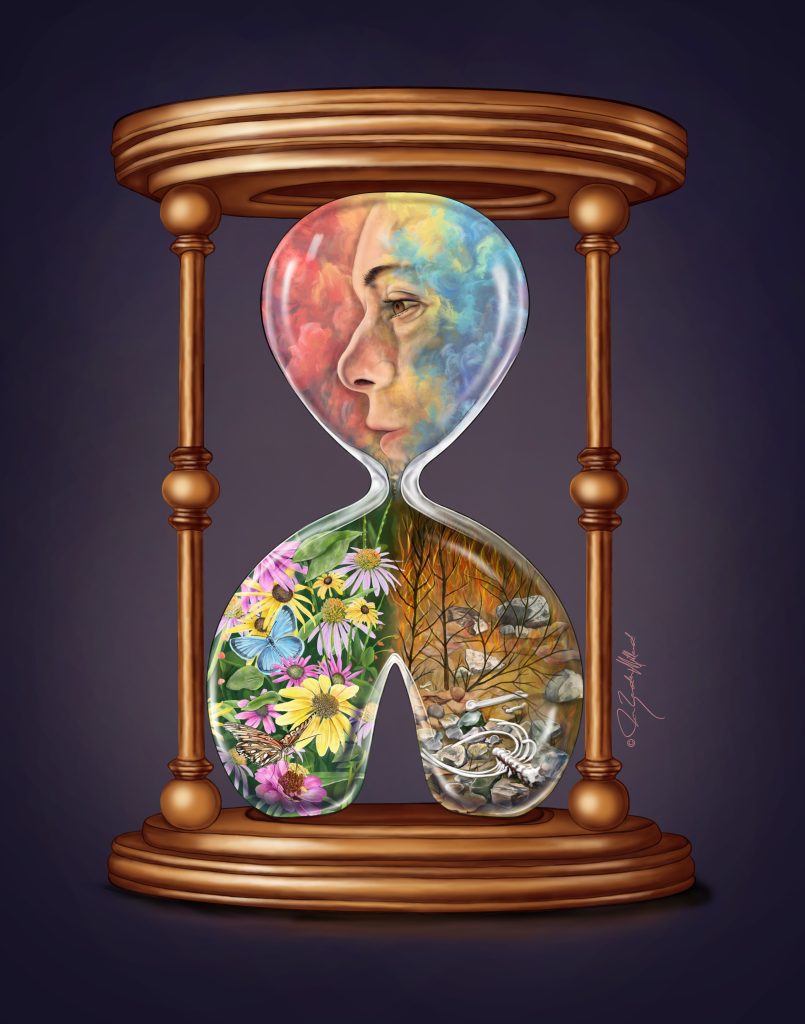
    Created by Joan Zander Millard, for Pam’s book Eye to Eye, Heart to Heart

    Creating Your Future—One Thought at a Time

    Pam often describes the process using the metaphor of an hourglass: the present moment is the narrow center, where your thoughts shape what flows into your future. What you focus on today—whether positive or limiting—creates the reality you step into tomorrow.

    In this way, a vision board becomes more than a collage. It’s a blueprint for belief, much like following a recipe or building from a plan. When you can see it and believe it, you begin to create it.

    Whether you’re a teen exploring your path, a professional redefining goals, or someone simply seeking clarity, discovery of Self offers:

    • A creative outlet for self-expression
    • A tangible way to define goals
    • A safe space for reflection and growth
    • Tools to turn ideas into action

    Pam Pech’s work reminds us that vision isn’t just about dreaming—it’s about choosing direction.


    Idaho Film Society staging inaugural Idaho Film Hall of Fame May 9

    0

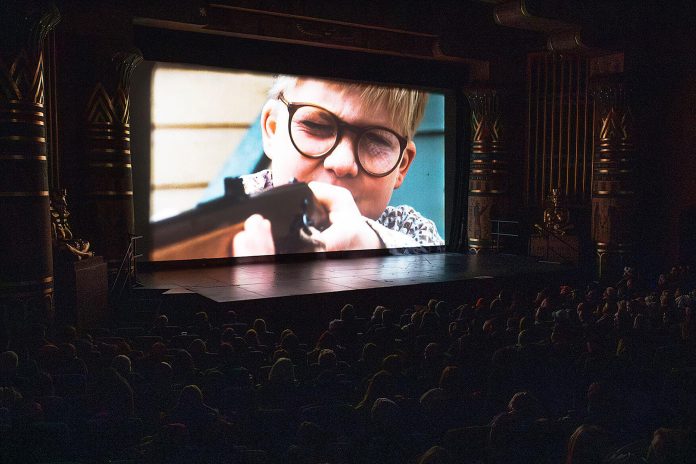
    On May 9, the Idaho Film Society will roll out the red carpet for a moment years in the making—the inaugural Idaho Film Hall of Fame at Treefort Music Hall. More than just an awards ceremony, this debut event is a bold declaration: Idaho’s film scene has arrived.

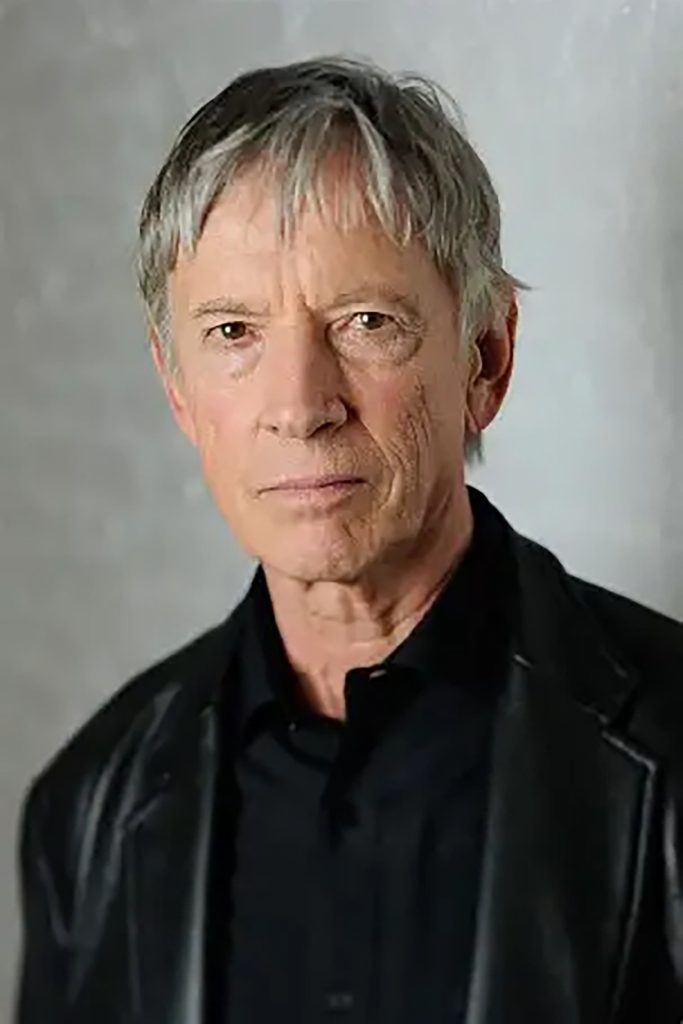
    The first-ever class of honorees reads like a love letter to storytelling across disciplines. Legendary actor Scott Glenn will receive the Lifetime Achievement Award, celebrating a career that spans decades and includes unforgettable performances in The White Lotus and The Silence of the Lambs. His grounded intensity and commanding presence have made him a global icon—one who proudly calls Idaho home.

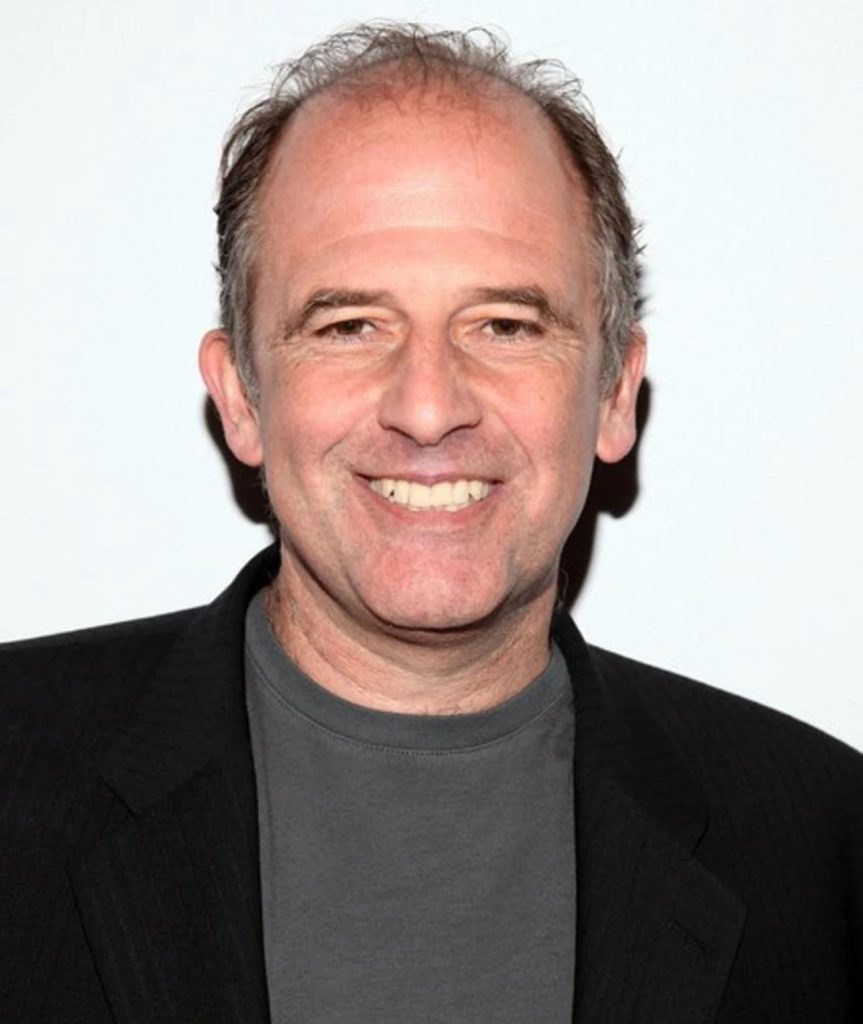
    Michael Hoffman
    Scott Glenn

    Director and visionary Michael Hoffman earns the Vision Award, recognized for shaping stories from Soapdish to The Last Station, proving that world-class cinema can have roots in places like Payette.

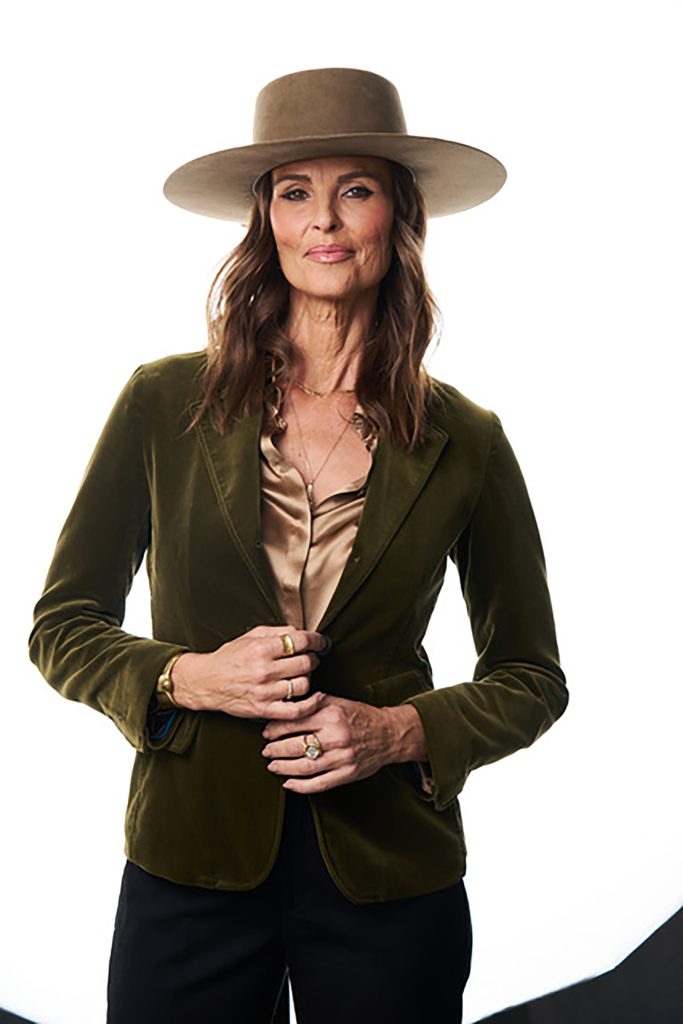
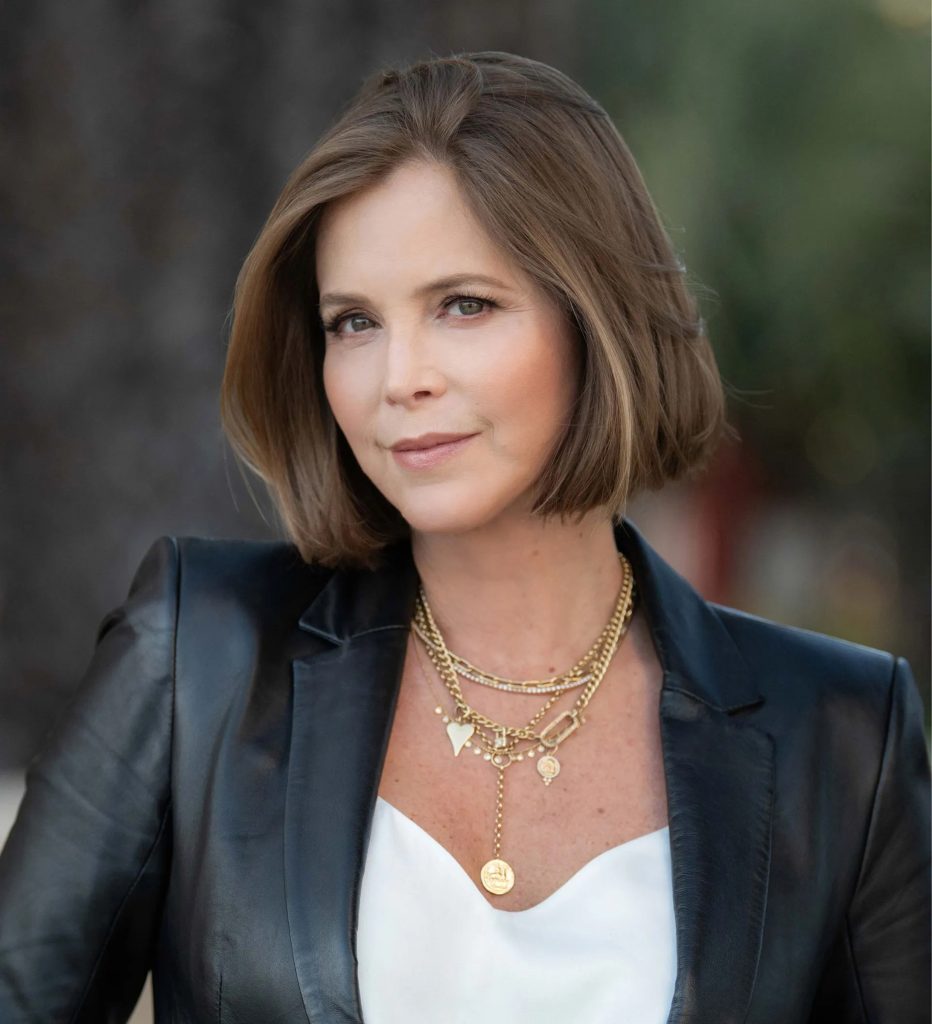
    Producer Heather Rae, a champion of independent voices, will be honored with the Frontier Award for projects like Frozen River, while tech innovator Amy Gile receives the Excellence in Technology Award for revolutionizing filmmaking through high-powered computing.

    Heather Rae
    Amy Gile

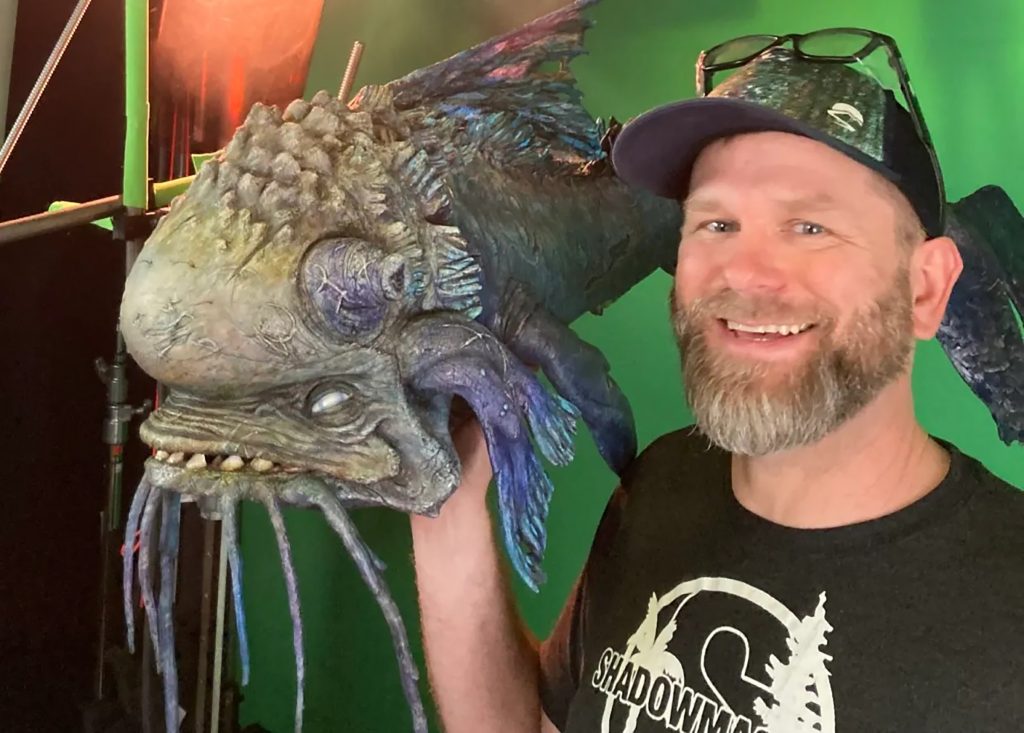
    Rounding out the class is Oscar-winning animator Lars C. Larsen, whose work on Coraline and Kubo and the Two Strings continues to inspire the next generation of creators right here in Idaho.

    Hosted by comedian Steve Byrne, the evening promises cinematic tributes, a red carpet experience, and a powerful sense of community.

    But this night is about more than applause. It’s about b

    Lars Larsen

    uilding a future. Proceeds support the Idaho Film Society’s mission to cultivate a thriving film ecosystem—proving that creatives don’t have to leave Idaho to make it big.

    Because here, on the edge of the frontier, storytelling isn’t just alive—it’s just getting started. 🎬

    Visit idahofilm.org/idaho-film-hall-of-fame for more information and to buy tickets.

    A Boise Original: The Living Art of Karen Klinefelter

    0

    Photos by Taylor Stanger

    In a world of mass production and digital perfection, Karen Klinefelter remains something rare—an artist whose work can’t be duplicated, digitized, or fully understood until it’s held in your hands. And that’s exactly what makes her, unmistakably, a Boise thing.

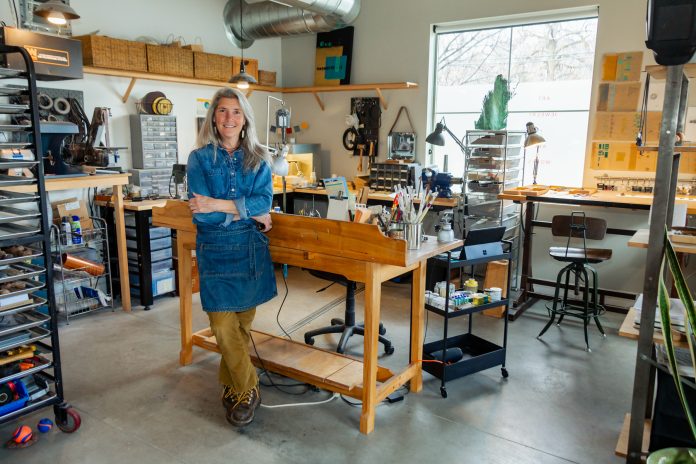
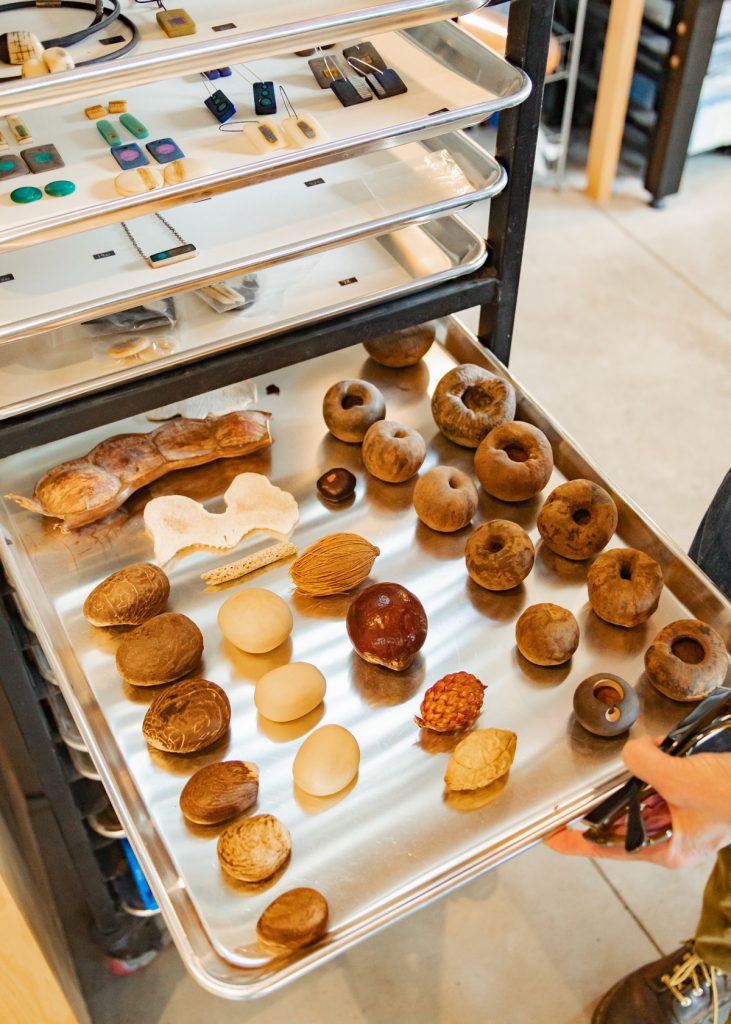
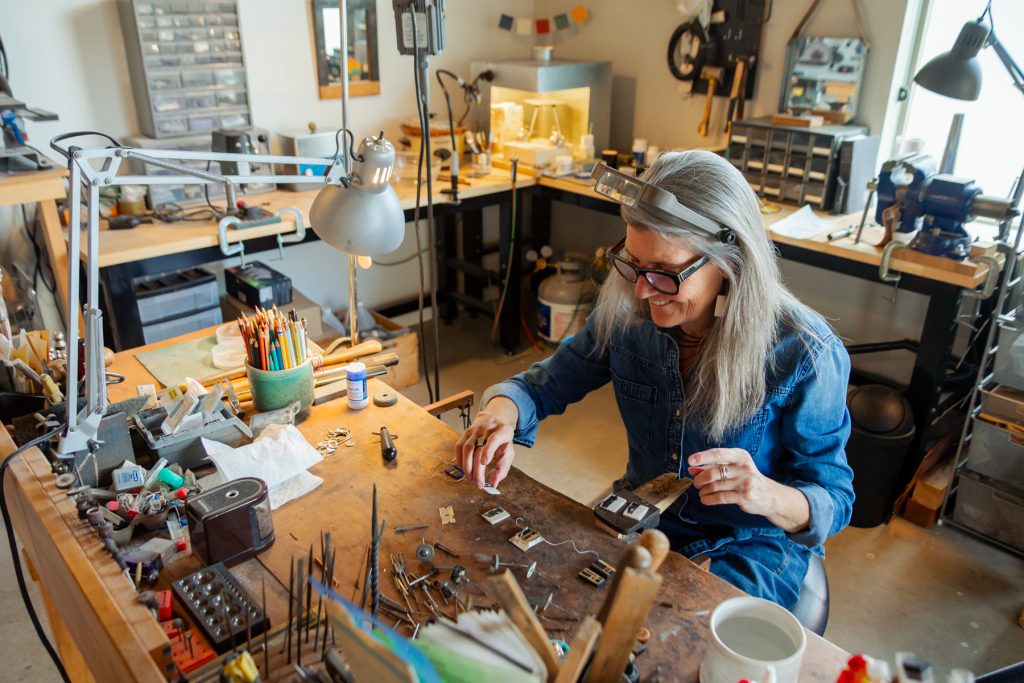
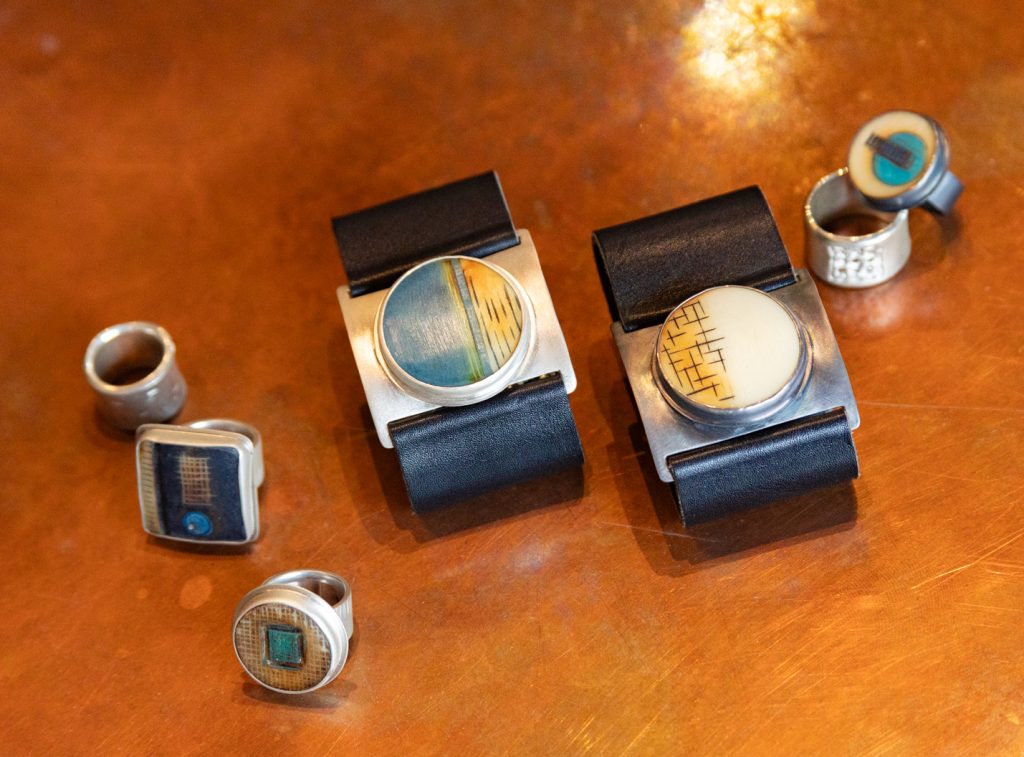
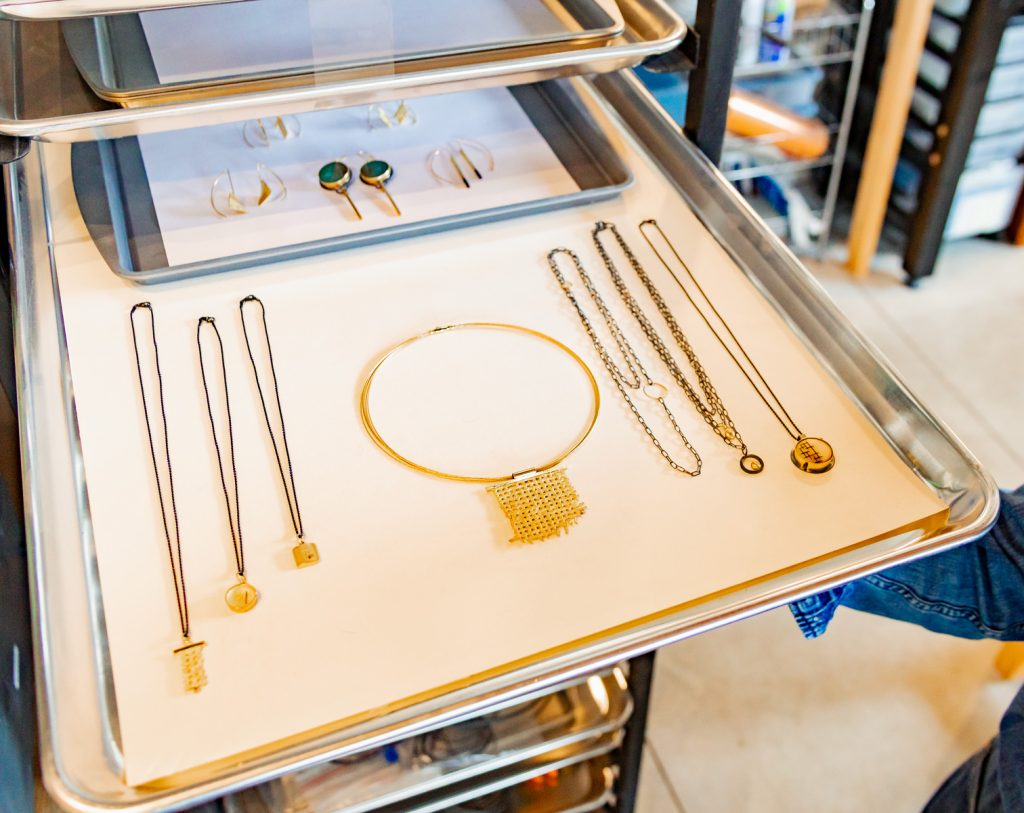
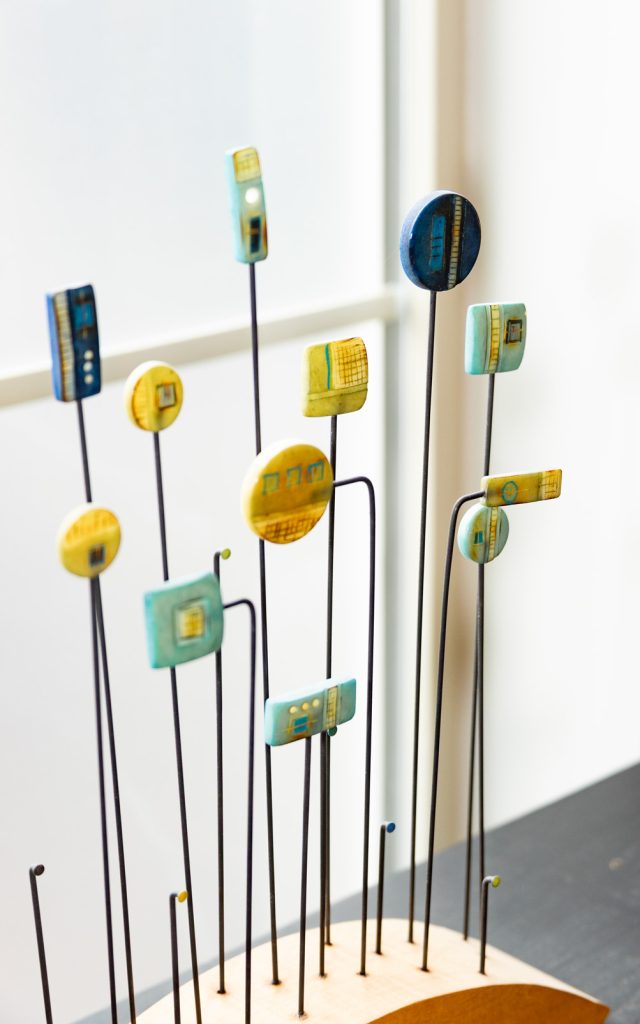
    Step into Karen’s studio and you’ll find more than jewelry—you’ll find process, patience, and pieces of the natural world transformed into wearable art. Her medium? Not what you’d expect. While she still works in sterling silver and 18-karat gold, her signature creations are carved from palm nuts sourced from South America—an organic, sustainable material that looks and feels strikingly similar to ivory.

    “I wanted to work with something more sustainable,” she explains. “Gold and silver mining… it’s not great globally. These? Nothing eats them. They don’t have nutritional value. So they’re perfect.”

    From there, the magic begins.

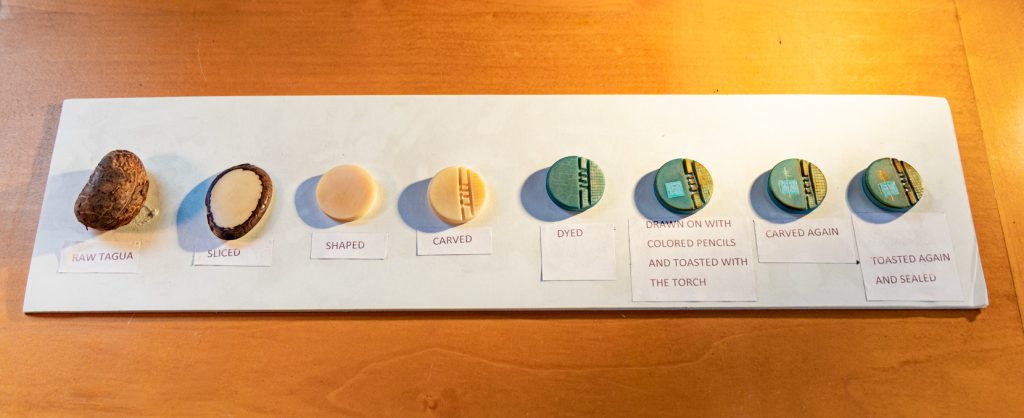
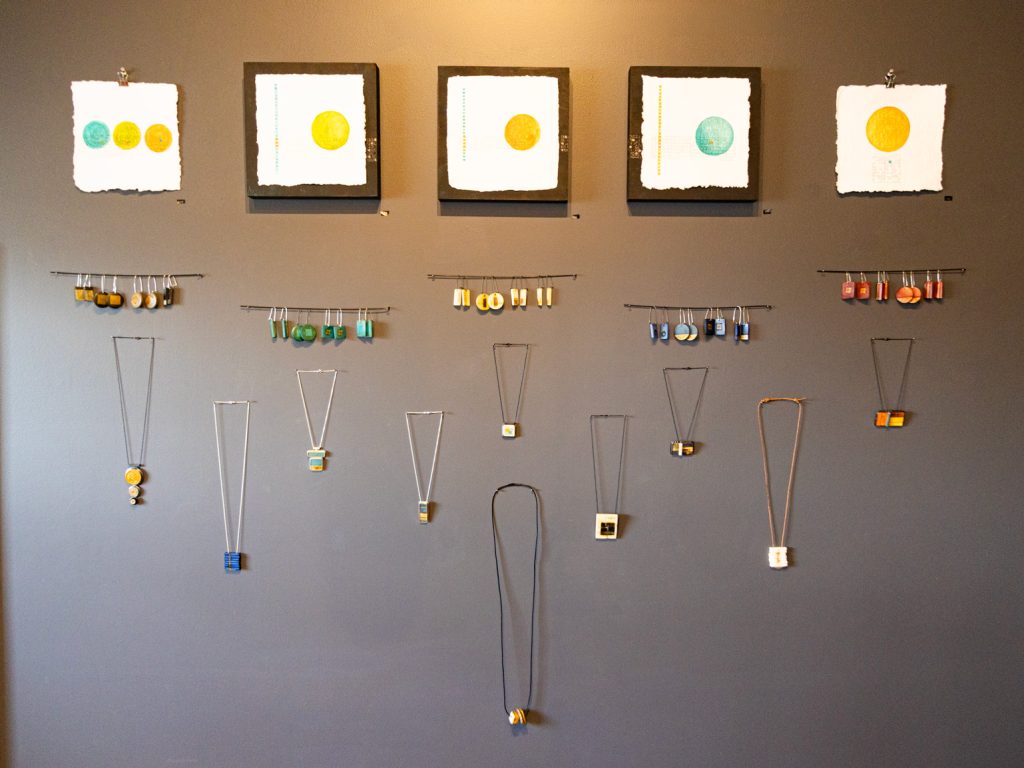
    Each piece is hand-carved, dyed, torched, and sealed—layer by layer—resulting in richly textured earrings, rings, bracelets, and necklaces that feel both earthy and elevated. No two are alike. In fact, that’s part of the challenge. Karen laughs about the difficulty of selling online: photographing the depth, the tactile quality, the soul of each piece is nearly impossible. And by the time she manages it? The piece is often already gone—sold at one of the many art shows she travels to across the country.

    “I’m one of the few mediums that can fly,” she jokes, referring to the portability of her work. From Florida to Idaho, her calendar is a steady rhythm of studio solitude and bustling shows—something she’s come to love.

    Locally, you’ll find her at beloved staples like BOSCO and Art in the Roses, where her connection to the community runs deep. She’s not just an artist in Boise—she’s part of its creative fabric.

    And while trends come and go, Karen’s work stands apart. It’s sustainable. It’s soulful. It’s entirely her own.


    In a city filled with makers and creatives, Karen Klinefelter doesn’t just create art—she creates experiences you can wear.
    And that? That’s as Boise as it gets.
    In a world of mass production and digital perfection, Karen Klinefelter remains something rare—an artist whose work can’t be duplicated, digitized, or fully understood until it’s held in your hands. And that’s exactly what makes her, unmistakably, a Boise thing.

    Step into Karen’s studio and you’ll find more than jewelry—you’ll find process, patience, and pieces of the natural world transformed into wearable art. Her medium? Not what you’d expect. While she still works in sterling silver and 18-karat gold, her signature creations are carved from palm nuts sourced from South America—an organic, sustainable material that looks and feels strikingly similar to ivory.

    “I wanted to work with something more sustainable,” she explains. “Gold and silver mining… it’s not great globally. These? Nothing eats them. They don’t have nutritional value. So they’re perfect.”

    From there, the magic begins.

    Each piece is hand-carved, dyed, torched, and sealed—layer by layer—resulting in richly textured earrings, rings, bracelets, and necklaces that feel both earthy and elevated. No two are alike. In fact, that’s part of the challenge. Karen laughs about the difficulty of selling online: photographing the depth, the tactile quality, the soul of each piece is nearly impossible. And by the time she manages it? The piece is often already gone—sold at one of the many art shows she travels to across the country.

    “I’m one of the few mediums that can fly,” she jokes, referring to the portability of her work. From Florida to Idaho, her calendar is a steady rhythm of studio solitude and bustling shows—something she’s come to love.

    Locally, you’ll find her at beloved staples like BOSCO and Art in the Roses, where her connection to the community runs deep. She’s not just an artist in Boise—she’s part of its creative fabric.

    And while trends come and go, Karen’s work stands apart. It’s sustainable. It’s soulful. It’s entirely her own.

    In a city filled with makers and creatives, Karen Klinefelter doesn’t just create art—she creates experiences you can wear.

    And that? That’s as Boise as it gets.

    Reach out to Karen for an appointment to visit her studio on 36th Street.

    The Grit Behind Sturmans: Personal Interview with Ryan Sturman

    0

    From Polynesian Prison to Idaho Entrepreneur Icon

    “Every new beginning comes from some other beginning’s end.” — Closing Time by Semisonic

    For Ryan Sturman, those lyrics aren’t nostalgic—they’re literal.

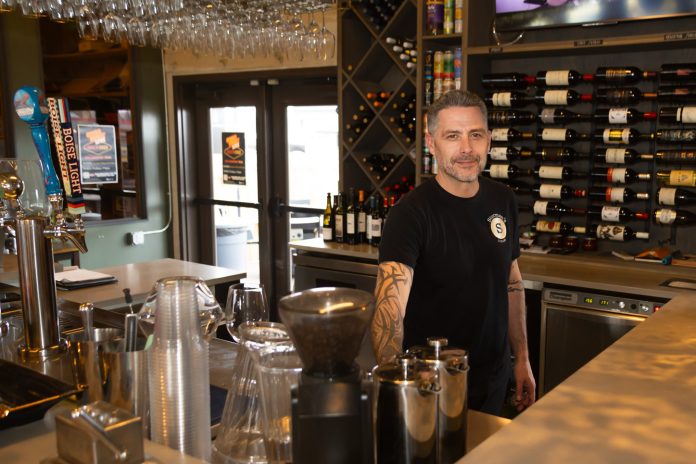
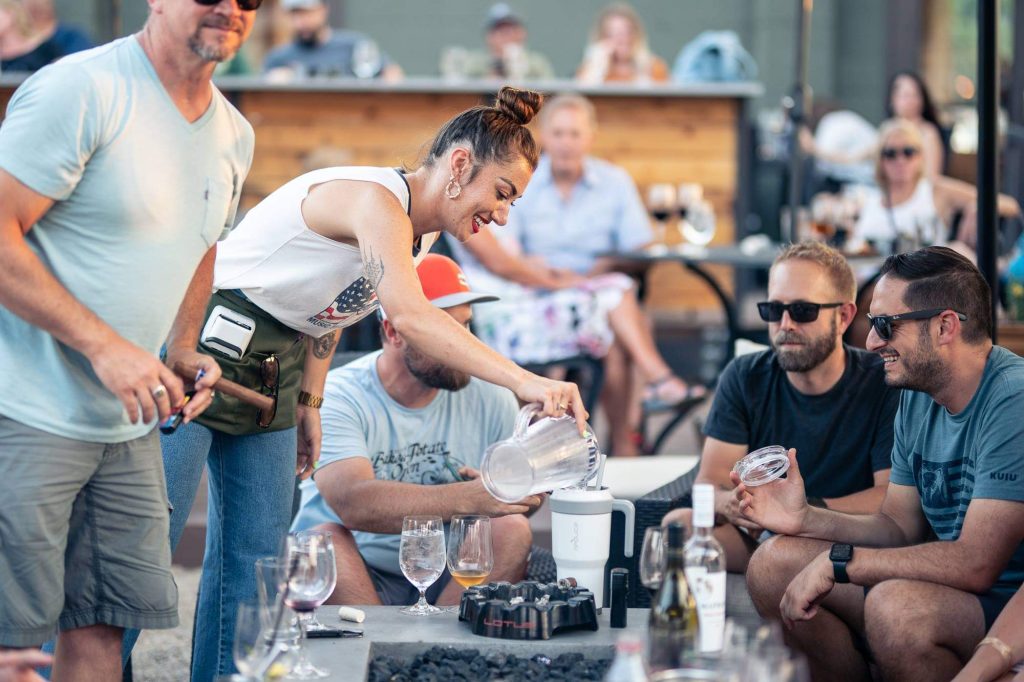
    Today, Ryan owns three locations with partners: the original Sturman’s Smoke Shop on 10th Street in downtown Boise, Sturman’s Cigar and Wine Lounge on Chinden in Garden City, and the Eagle location. The Garden City lounge features a 3,000-square-foot patio, live music, rotating food trucks, trivia nights, and a curated wine and cigar selection from around the world.

    The Eagle location? Built all cash. No debt. Land and building.

    Ryan is quick to point out that milestone wasn’t achieved alone. The project came together thanks to the partners and relationships he has built over the years—people who believed in the vision and helped make it possible.

    But grit? That story starts decades earlier.

    Ryan’s dad opened the original shop more than 30 years ago. Ryan was a straight-A student—until he wasn’t welcome anymore. “Boise High kicked me out,” he says. “For the record, I was a straight-A student.” He graduated in Alaska in 1997 with a 3.8 GPA and bought his first restaurant at 18. By 24, he owned two—one in Alaska and one in Hawaii.

    “I was born an addict,” he says plainly. “I worked seven days a week, 14 hours a day. I’d buy more drugs than I needed, sell the rest, and get mine for free. Then you get addicted to being the man.”

    In Hawaii, that life caught up with him. He was sentenced to 10 years in a Polynesian prison and served five—three of them in solitary confinement.

    “White boy in a Polynesian prison,” he says quietly. “Watching things people should never have to see. It’s like going to war without a gun.”

    Three years in “the hole” broke something—and rebuilt something else. “Clearly, I’m not good at driving this car,” he remembers praying. “I’m gonna give You the steering wheel. Just get me out of here.”

    He walked out at 30 with a car and some clothes. Shortly after returning home, Ryan purchased his father’s cigar shop, and his father retired. “I’m kind of a stationary missionary,” Ryan says. “In the service industry, we get time to talk. Everybody knows my story.”

    He stopped drinking years ago. “That’s when all the doors started opening. Clearly not my timing—somebody else’s.”

    Much of Ryan’s growth has come through relationships and partnerships built over time. “America was built on handshake deals and relationships,” he says. “That’s really how I’ve done this.”

    Ryan wears his past on his sleeve. “It’s only by the grace of God and my partners,” he says. “Cigars create relationships. And relationships change lives.”

    And that’s what makes this more than a cigar lounge. It’s a redemption story. It’s resilience. It’s second chances lived out loud.

    This iconic business—and this profoundly special person—is truly a Boise Thing.

    A Boise Thing: Heike Youde and the Treasure Hunt Inside Athletic Attic

    0

    If you know, you know.

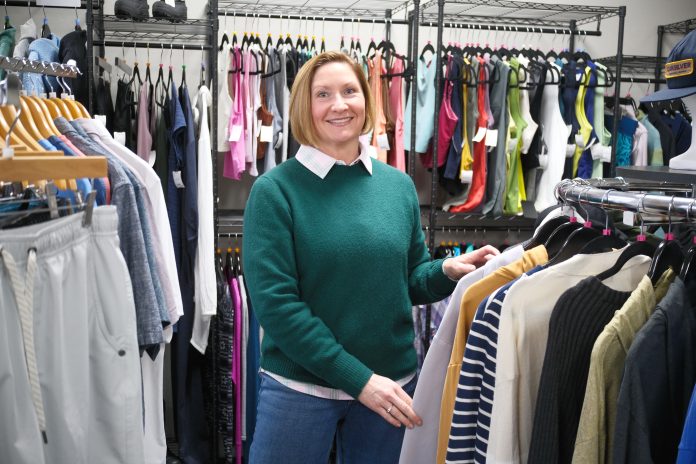
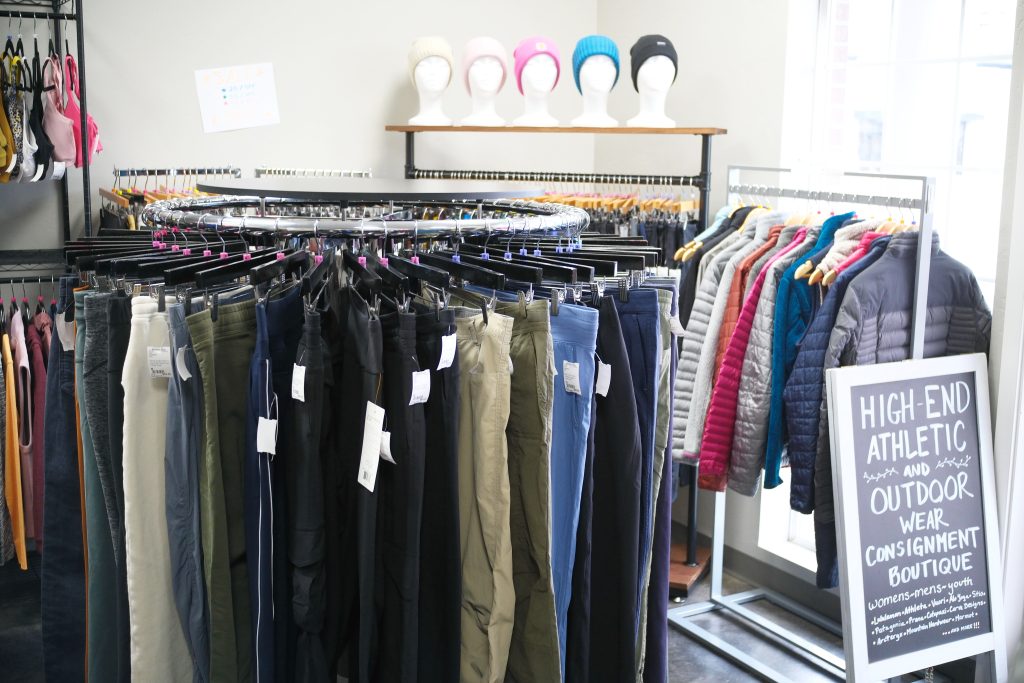
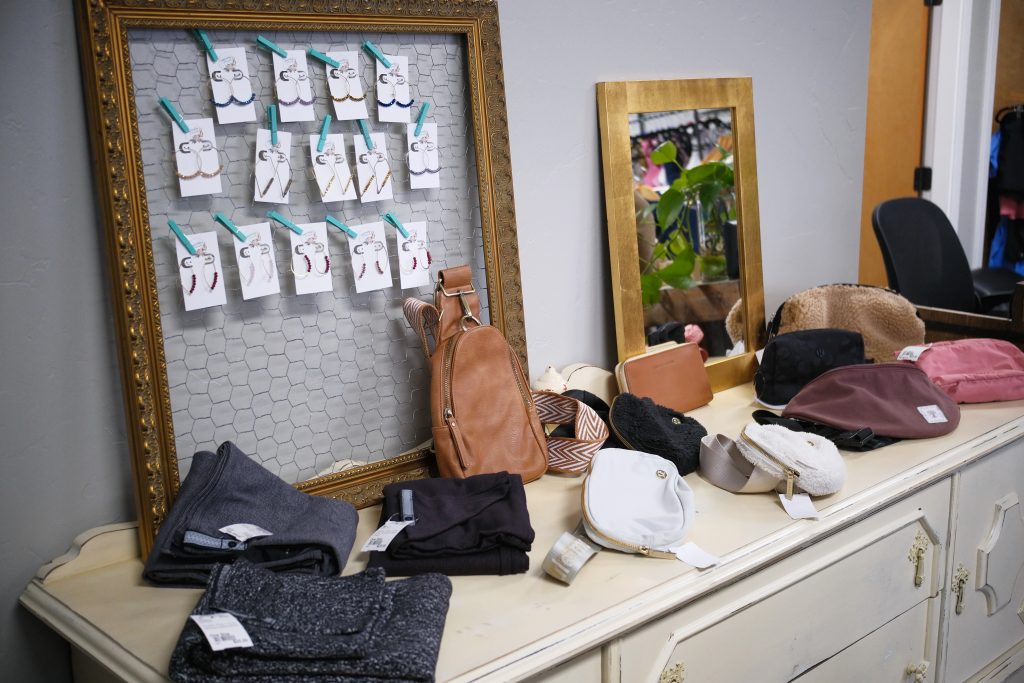
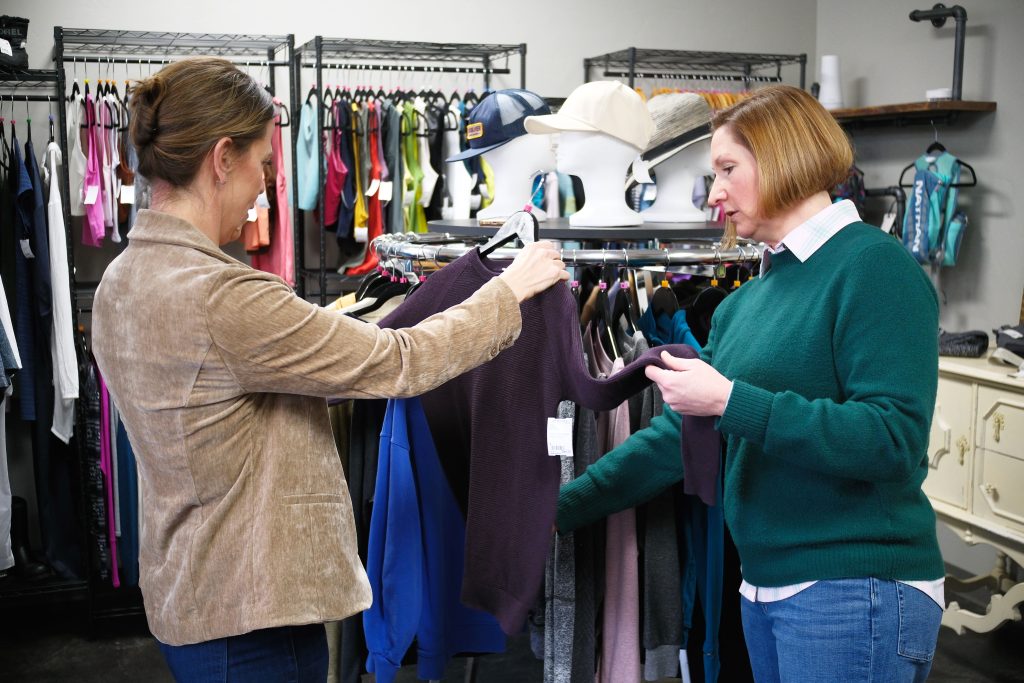
    Tucked into Boise’s East End, just minutes from the river and the trails, Athletic Attic isn’t just a consignment store—it’s a ritual. It’s where you go when you want high-end athletic wear without the high-end price tag. It’s where you score the $128 leggings for $44. And it’s where you’ll probably stay longer than you planned because you got pulled into a conversation with Heike Youde.

    And that conversation? That’s half the reason you came.

    From Corporate Burnout to Pandemic Leap

    Heike didn’t start Athletic Attic—but she did something arguably braver.

    She bought it.

    In September 2021.

    In the middle of a pandemic.

    With a background in small business management and years in corporate life, Heike knew she was burned out. “I’m way too young to burn out,” she remembers thinking in her mid-40s. She left her corporate role without a master plan—just the certainty that something needed to change.

    She had already been a customer. Then she started helping out in the store for the previous owner, Rachel. When Rachel mentioned her lease was up and she might close the shop, Heike didn’t hesitate.

    “I’ll buy it from you.”

    She ran the numbers, did a valuation, came to an agreement—and just like that, she stepped into ownership of one of Boise’s most beloved boutiques.

    Why? Because she felt it.

    “I live in these clothes,” she says. Gym. Slopes. Trails. River. That’s how Boise moves. And Athletic Attic reflects that lifestyle perfectly.

    Why It’s So “Boise”

    There isn’t another store quite like it here.

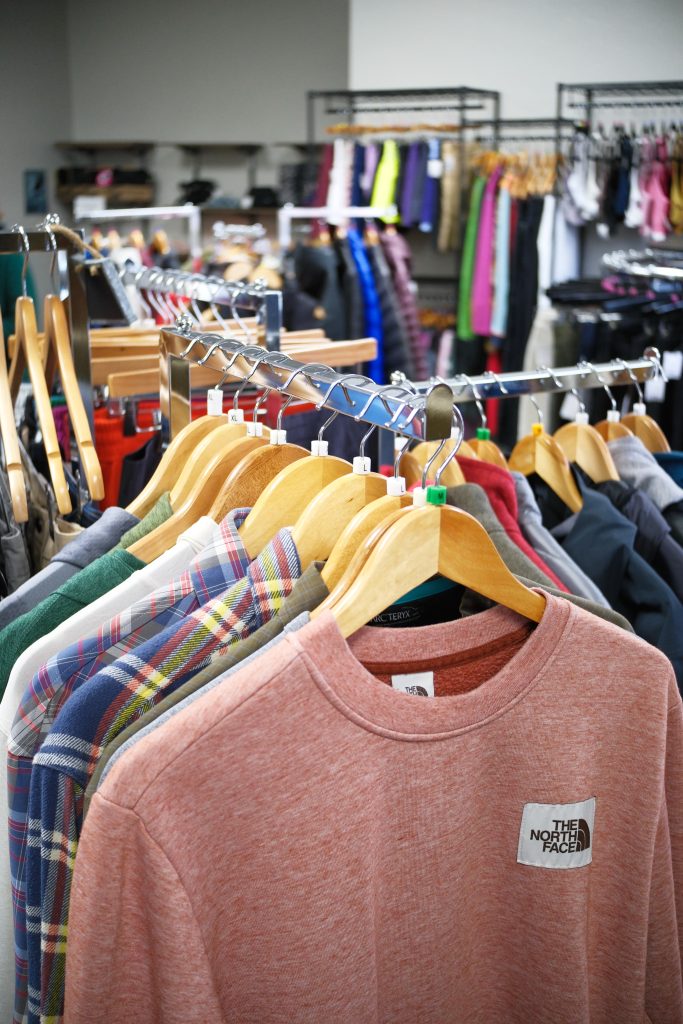
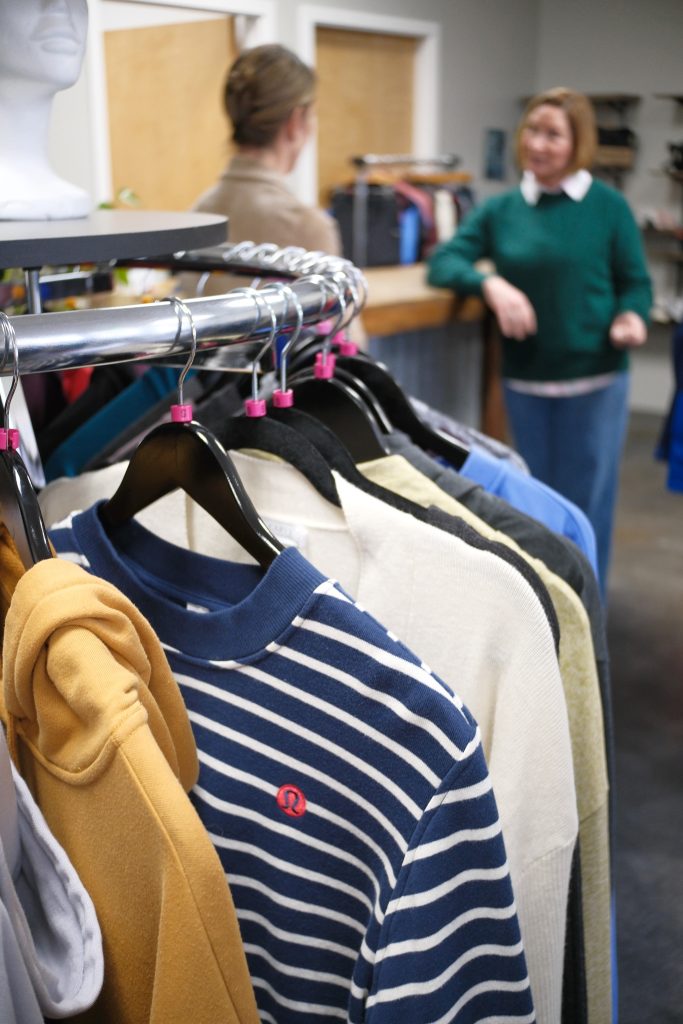
    Athletic Attic specializes in gently used, high-quality athletic and outdoor wear—brands that are built to last and priced accordingly when new. Inside, you’ll find pieces from Lululemon, Vuori, Alo Yoga, Athleta, Patagonia, Cotopaxi, Arc’teryx, Marmot, and more.

    Many items are brand new or nearly new—priced roughly 30–45% of retail. A tank that would cost $60? About $20 here. A premium parka retailing at $1,100? You might walk out paying a fraction of that.

    It’s sustainable. It’s practical. And it’s very Boise.

    We’re an active community. Pickleball is trending. Tennis, skiing, hiking, cycling, golf, gym, trail running—you name it, she carries it. Even hydration packs and backpacks find their way onto her racks.

    People drive in from Eagle, Meridian, Kuna, Emmett. Some hear about it from a friend at the co-op. Others compliment someone’s leggings in line at the grocery store and get sent straight over.

    Word of mouth built this place. Because when you find a deal, you tell people.

    The Treasure Hunt Effect

    Shopping here isn’t transactional—it’s experiential.

    Heike calls it letting “the store tell you what you need.”

    If you come in hunting for one hyper-specific item, you might not find it. But if you come in open? The magic happens.

    Like the man who forgot his running shoes and walked in asking—on the off chance—if she had any men’s size 12.5. She had one pair. Brand new. In the box. Sold.

    Or the teenage girl buying her first pair of Lululemon leggings because $128 retail isn’t realistic—but $44 is.

    Or the retiree who’s thrilled to find a longer jacket that covers just the right amount when paired with leggings.

    Heike knows her brands. She knows how they fit. She knows which ones run small, oversized, fitted, forgiving. She’ll tell you to ignore the tag. Try everything. Decide based on how you feel.

    And she means it.

    More Than Clothes

    What makes Athletic Attic special isn’t just the inventory. It’s what happens between the racks.

    Women come in vulnerable. Starting over. Getting back into fitness. Navigating body changes. Unsure if they’re “too old” for something.

    Heike shuts that down gently.

    “I don’t know who told you that,” she’ll say. “But stop that.”

    She celebrates women in the fitting room. Tells them they look strong walking away. Reminds them to be kind to themselves. Encourages them to treat themselves—because buying both the jacket and the leggings here still costs less than one item elsewhere.

    It becomes about more than clothes. It’s about confidence.

    The Conversation Factor

    On my latest visit, our conversation drifted from leggings to long-term marriage.

    We talked about why ours are working. The theory that sometimes one spouse loves the other almost like an obsession. The intentionality. The choosing each other daily.

    Then we talked about her boys—20 and 24 now. Grown, but still very much hers.

    That’s the thing about Heike. You come in for Vuori shorts and leave talking about life.

    And somehow it all fits.

    A Boutique That Feels Like Boise

    Athletic Attic is 85% women’s, with men’s and some kids’ pieces mixed in—often consigned by women on behalf of the men in their lives. The age range? Teenagers buying their first “real” activewear all the way to retirees who know exactly what silhouette they prefer.

    Not everything is for everyone.

    But everyone will find something.

    And when they do, they remember where they got it.

    That’s why it’s a Boise thing. Not because it’s flashy. Not because it advertises. (It doesn’t.) But because it quietly serves the way this city lives—active, outdoorsy, practical, community-driven.

    And because behind the counter stands a woman who took a leap during uncertain times, trusted her instincts, and created a space where high-quality clothing meets high-quality conversation.

    In a town built on trails and connection, that’s about as Boise as it gets.

    PC: Kimberlee Miller

    Kathi Holzer: Magnetic Boise Artist Blending Fire, Wax, and Vision

    0

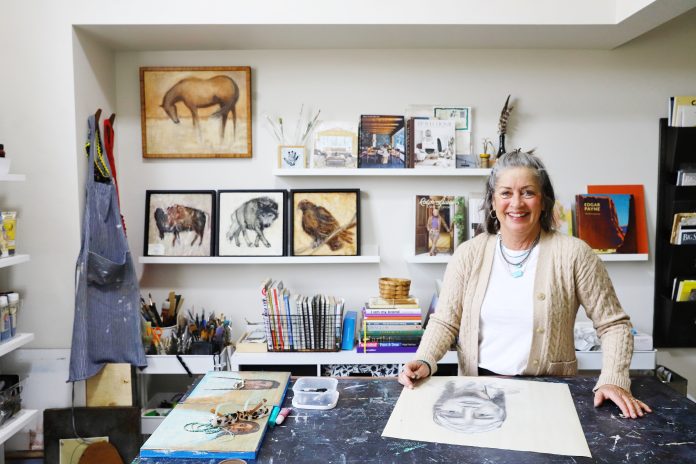
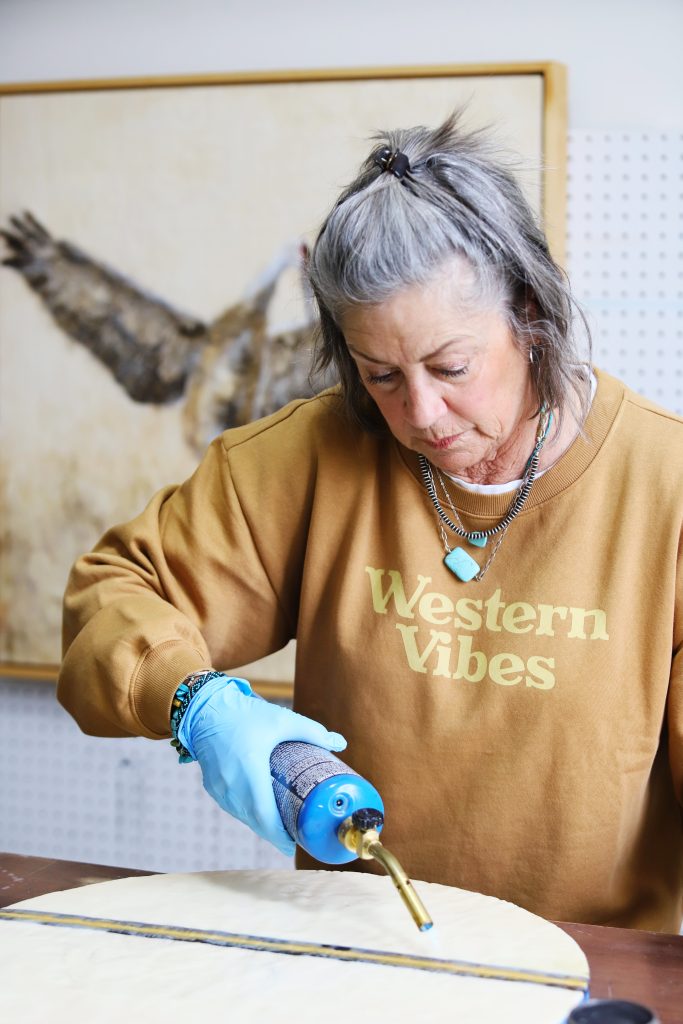
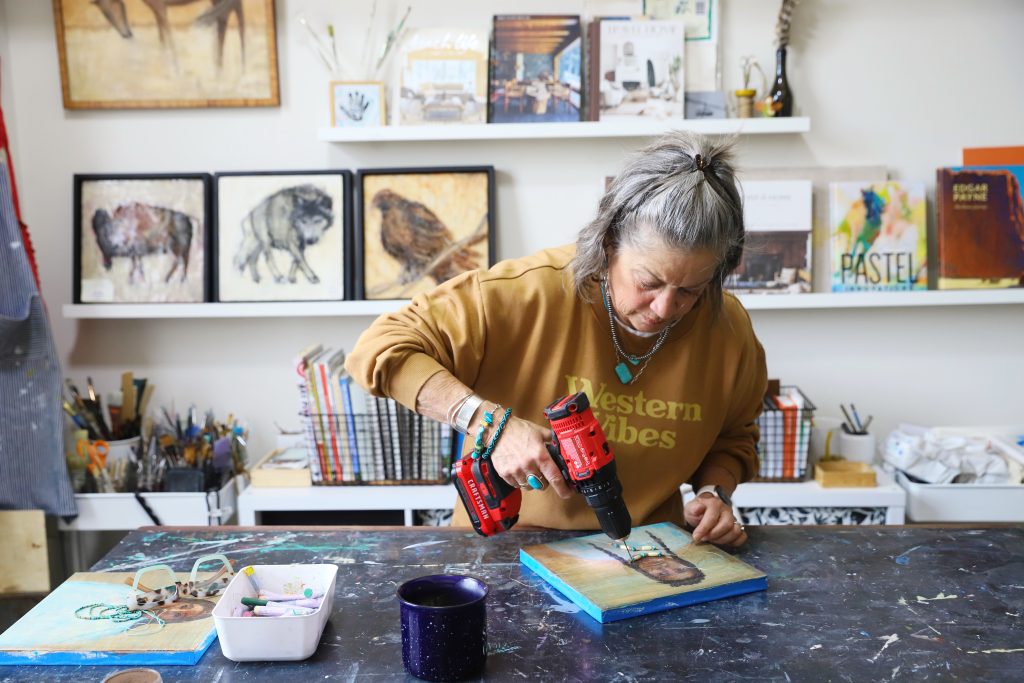
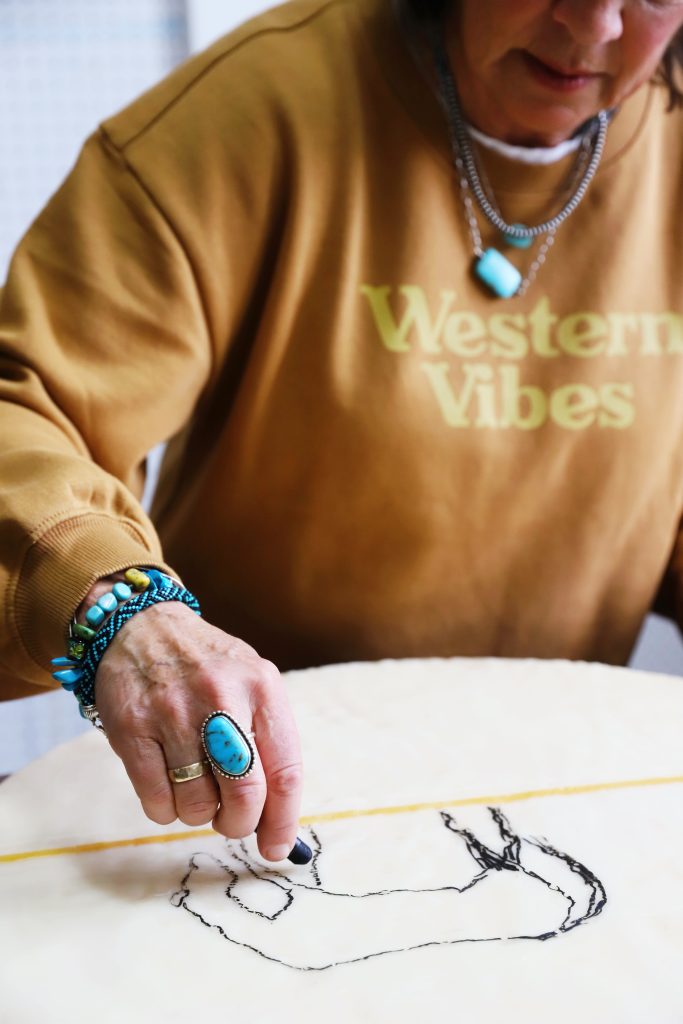
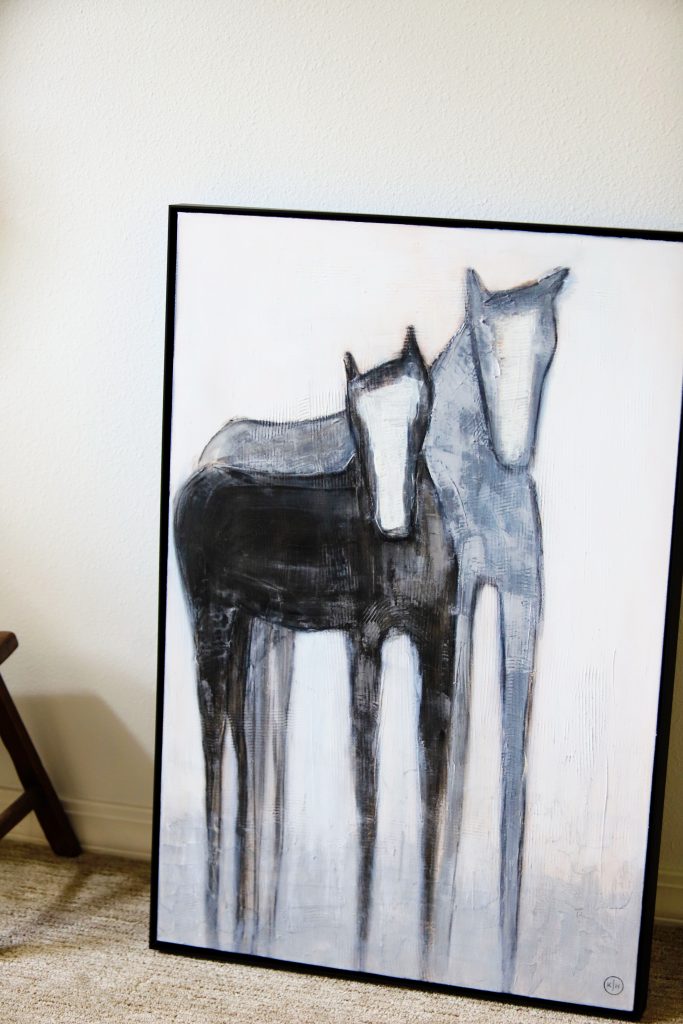
    Kathi Holzer isn’t your typical artist. A former PE teacher turned highly sought-after creator, Kathi has a magnetic personality that draws people in as effortlessly as her art draws the eye. Her work is bold, textural, and endlessly inventive, making it a perfect fit for stylish home décor outlets like Four Hands.

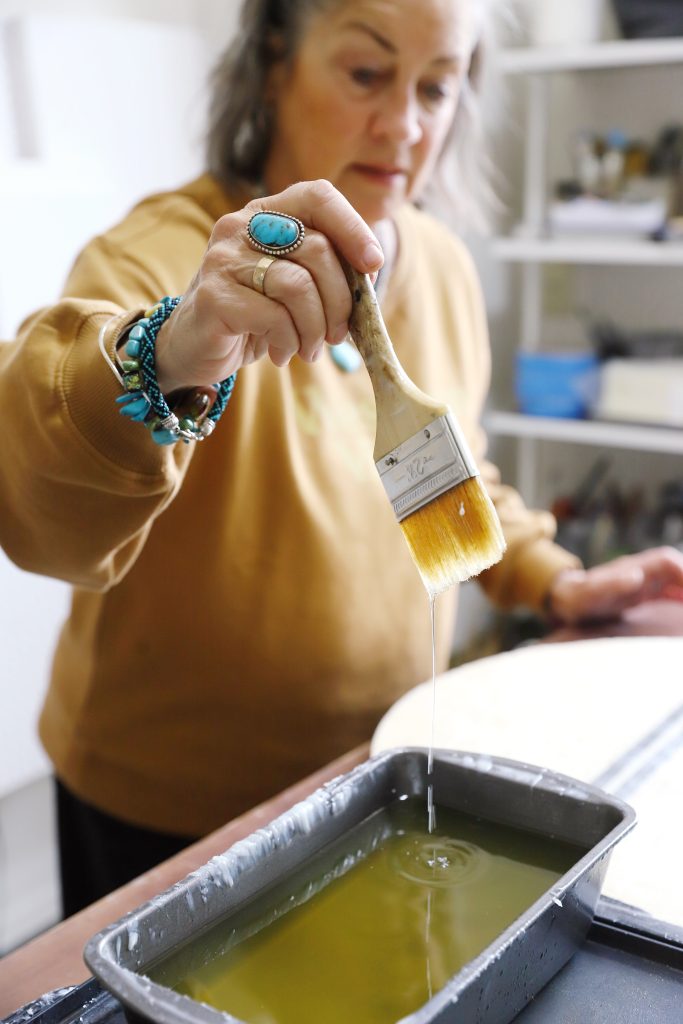
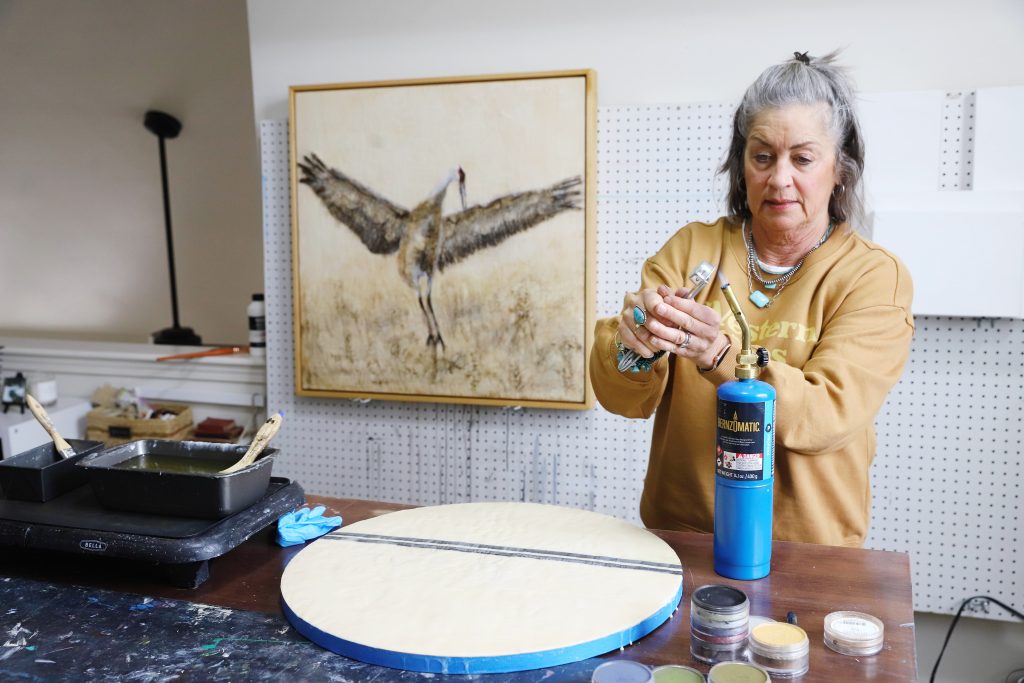
    Kathi’s art isn’t just something you hang on a wall—it’s an experience. One of her signature techniques is encaustic painting, a method that uses hot beeswax and oil to “paint with fire.” Each layer is melted and torched before the next is applied, creating a rich, layered effect that feels alive. The result is a tactile, almost three-dimensional quality that’s as visually stunning as it is conceptually daring.

    Her creativity doesn’t stop there. Some of Kathi’s pieces incorporate real turquoise and other materials, blending traditional mediums with modern, mixed-media techniques. “I drill a tiny hole, string the turquoise through the back, and adhere it with strong glue,” she explains. The combination of encaustic, cold wax oil, and embedded materials allows her to push the boundaries of conventional art.

    Kathi’s style leans toward impressionistic texture rather than strict realism, often capturing landscapes or abstract forms that evoke a sense of movement and emotion. For example, one of her cold wax oil pieces depicts the serene view from her cabin near Tamarack, balancing soft, matte textures with subtle depth and color.


    Her work has earned recognition far beyond Boise. Kathi was featured on the cover of Zions Bank’s biennial art show invitation, and a piece from that show will hang this Spring in a Jackson Hole branch—proof that her art resonates with collectors and institutions alike.

    Locally, Kathi’s creations can be found at Robert & Wallace in Bown Crossing and other upscale home décor shops like Dwell in Eagle. She is well-known at the Idaho Art Gallery in downtown Boise and while collectors often seek her originals, her prints allow more people to bring Kathi’s magnetic energy into their homes.

    Always experimenting and pushing limits, Kathi is exploring 3D printing and collaborations with galleries and brands, envisioning a future where her layered, textured pieces could literally pop off the canvas. Her dedication, creativity, and vibrant personality make Kathi Holzer a standout in Boise’s art scene—and beyond. Follow @kathiholzerart on Instagram.

    Lala’s Jazz Is Redefining Boise’s Live Music Scene

    0

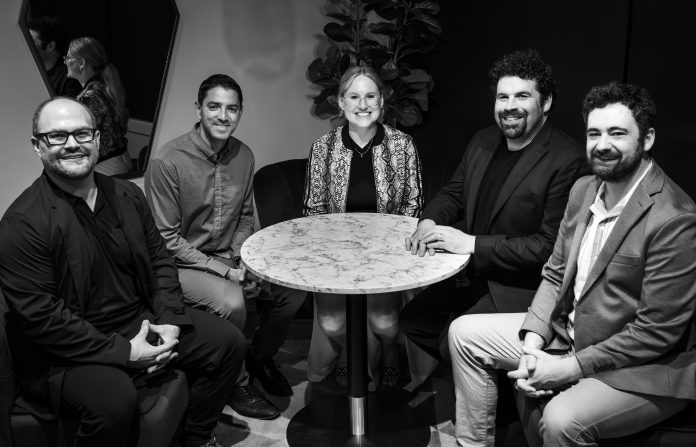
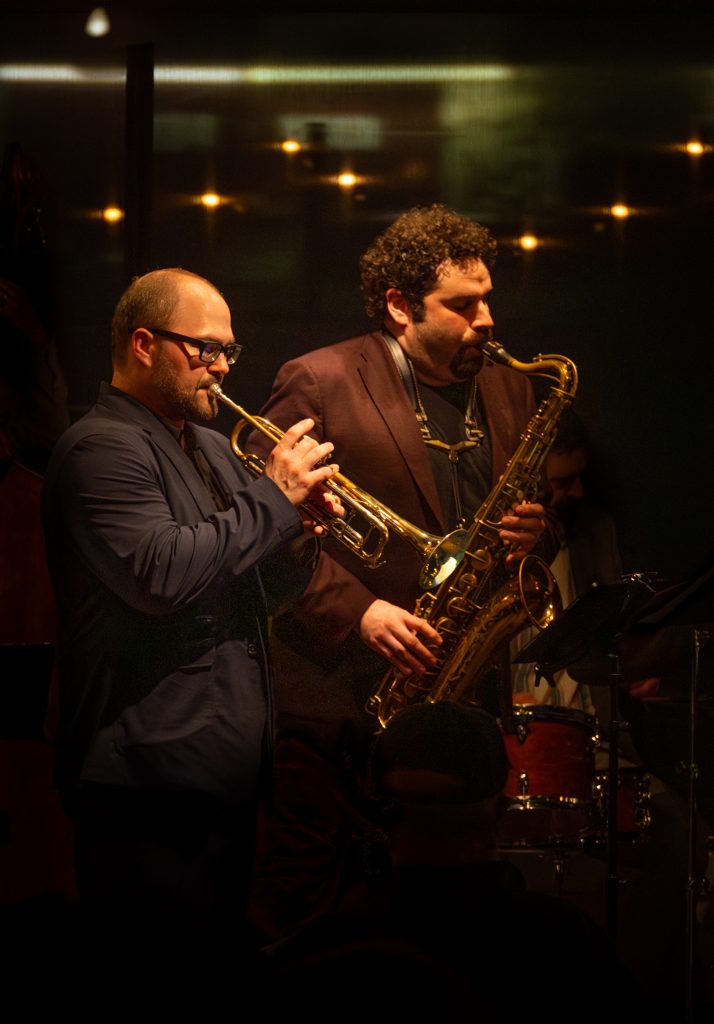
    Boise’s jazz scene is experiencing a revival, and at the heart of it is Lala’s Jazz, a community-driven jazz series founded by professional jazz musician Alex Sjobeck. What began as a passion project has quickly grown into one of the most exciting cultural movements in the Treasure Valley—bringing world-class jazz artists, student musicians, and music lovers together in intentionally curated spaces across the region.

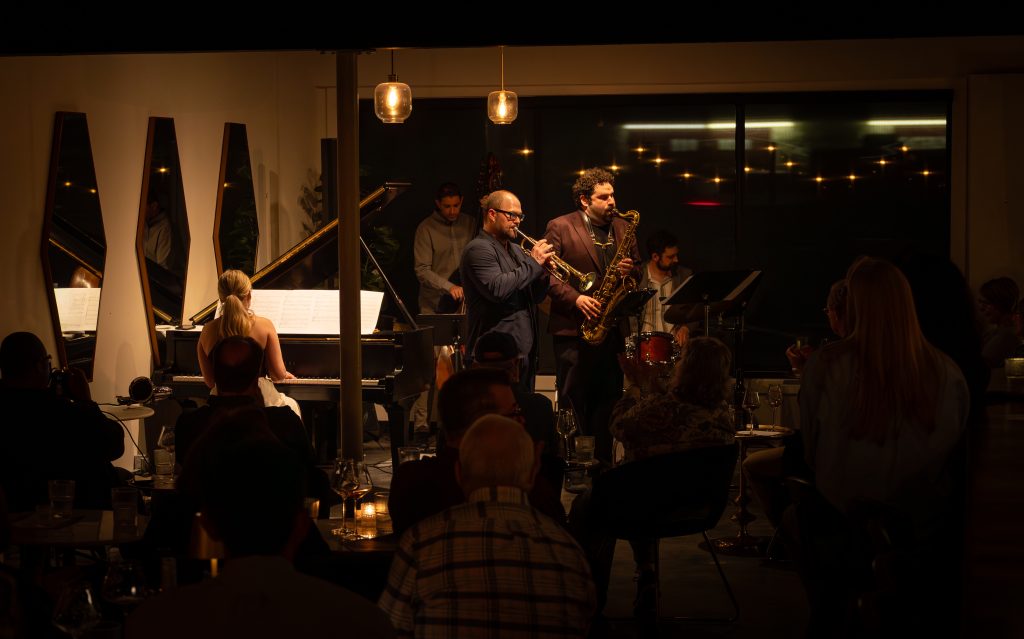
    Photo taken at Coiled Wines in Garden City

    This spring, Lala’s Jazz is hosting a special seasonal run of shows at the Hemingway Center on Boise State University’s campus, while continuing to explore and collaborate with venues throughout Boise and the greater Treasure Valley. The goal isn’t to anchor jazz to one location—but to let it live, travel, and connect with different communities.

    What Is Lala’s Jazz?

    Lala’s Jazz is more than a concert series—it’s an experience built around connection, presence, and musical storytelling. The programming spans modern jazz, traditional swing, funk, and experimental styles, intentionally challenging the idea that jazz is inaccessible or niche.

    Since launching, Lala’s Jazz has attracted audiences ranging from lifelong jazz enthusiasts to first-time listeners who discover—often to their own surprise—that they love jazz when they experience it live.

    At its core, Lala’s Jazz is about:

    • Bringing high-caliber jazz to Boise
    • Supporting and spotlighting student musicians
    • Creating warm, immersive environments that feel like real jazz clubs
    • Building community through shared cultural experiences

    Spring Jazz Shows at the Hemingway Center

    For February, March, and April, Lala’s Jazz is partnering with Boise State University to host monthly shows at the Hemingway Center, one of the campus’s historic music spaces. While not a permanent home base, the venue offers a unique opportunity this spring to create an intimate jazz club atmosphere within a concert-style setting.

    The space has been transformed with lounge seating, cocktail tables, candlelight, and flexible staging—giving audiences a cozy, immersive experience while allowing Lala’s Jazz full creative freedom.

    These spring shows are part of a broader vision that includes rotating venues and collaborations throughout the valley.

    Upcoming Lala’s Jazz Events in Boise & Beyond

    February 13 – Modern Jazz Night

    📍 Hemingway Center, Boise State University

    Lala’s Jazz kicks off the spring series with a modern jazz performance featuring an acclaimed vocalist based out of the Czech Republic (originally from California), joined by international musicians from across the region.

    The evening will open with a student jazz ensemble, giving young musicians the opportunity to share the stage before the featured performance.

    March 6 – Women’s History Month Jazz Show

    📍 Hemingway Center, Boise State University

    This special performance celebrates Women’s History Month with two highly requested female instrumentalists traveling in from Los Angeles, joined by Boise-based musicians.

    The show will open with Boise State University’s Gene Harris All Stars Jazz Program, continuing Lala’s Jazz mission of connecting student musicians with professional artists and live audiences.

    April – Traditional Jazz & Swing

    📍 Hemingway Center, Boise State University

    April’s show features internationally recognized trumpeter and vocalist Benny Benack III, known for his classic swing style, jazz standards, and dynamic stage presence. This performance highlights traditional jazz while remaining accessible and engaging for modern audiences.

    May 1 – Jazz Funk Night

    📍 Iconic, Garden City

    Lala’s Jazz expands beyond campus this spring with a funk-forward jazz show at Iconic in Garden City, a new venue already gaining attention for its intimate, jazz-club feel. This performance underscores Lala’s Jazz commitment to reaching different communities and creating unique experiences in diverse spaces across the Treasure Valley.

    Building a Jazz Community in Boise

    One of the defining elements of Lala’s Jazz is its emphasis on community collaboration. Student musicians regularly open shows, volunteers and interns help produce events, and audiences span generations—from teenagers and college students to longtime jazz fans.

    These performances create rare moments where different ages, backgrounds, and musical experiences come together in one room—something increasingly hard to find in today’s fast-paced world.

    Advertisement for Basidia Farms, Boise’s only organic mushroom farm with products. Source local and get a quality product.

    Jazz, by nature, asks people to slow down, listen, and be present. Lala’s Jazz is intentionally creating spaces where that can happen.

    Experience Live Jazz in the Treasure Valley

    If you’re looking for:

    • Live jazz in Boise
    • Unique music experiences in the Treasure Valley
    • Jazz clubs and pop-up performances in Idaho
    • Community-driven arts and culture events

    Lala’s Jazz is where it’s happening.

    This spring’s shows at the Hemingway Center are just one chapter in a growing story—one that continues to evolve, move, and bring jazz to new corners of the valley.

    Boise’s jazz scene isn’t tied to one building.

    It’s being built—show by show. It’s becoming a Boise thing.

    For more information and to purchase tickets, visit lalajazz.com.

    Basidia Farms Is a Boise Thing to Watch: How Cory Ramsay’s Mushroom Tincture LINC Is Gaining National Momentum

    0

    Boise continues to quietly produce entrepreneurs worth watching, and Basidia Farms is one of the most compelling examples of what happens when patience, purpose, and local values meet smart innovation.

    Founded by Boise-based mushroom farmer Cory Ramsay, Basidia Farms has officially crossed the one-year mark—a milestone many startups never reach. Instead of slowing down, Cory is building momentum with his first national product launch: LINC, a Lion’s Mane and Zinc tincture now distributed across the United States through Amazon.

    In just a few weeks, more than 900 bottles of LINC have been sent out to Amazon distribution centers, positioning the product for nationwide reach while the brand continues to grow locally.

    From Organic Mushroom Farm to Functional Wellness Brand

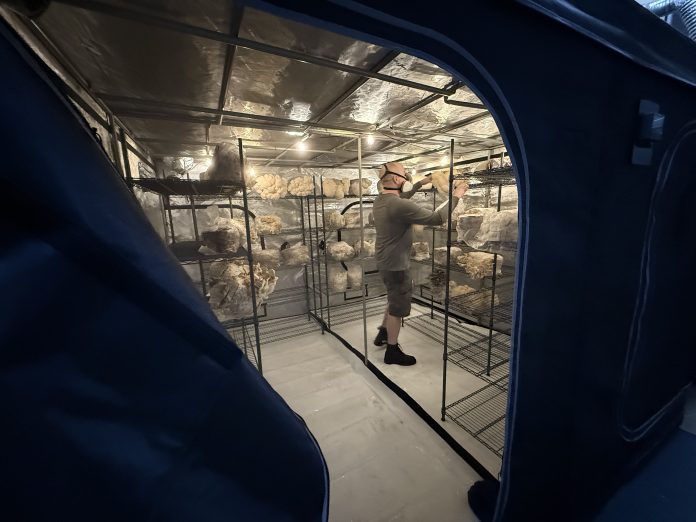
    Basidia Farms began as a USDA Organic mushroom farm, growing functional mushrooms in Idaho with an unwavering commitment to organic practices. Cory quickly learned that organic farming is harder, more expensive, and often underappreciated—but essential when the end goal is human health.

    That philosophy led to a strategic pivot. Rather than focusing solely on fresh gourmet mushrooms, Basidia Farms shifted toward functional mushroom tinctures, allowing the business to become shelf-stable, scalable, and accessible beyond local markets.

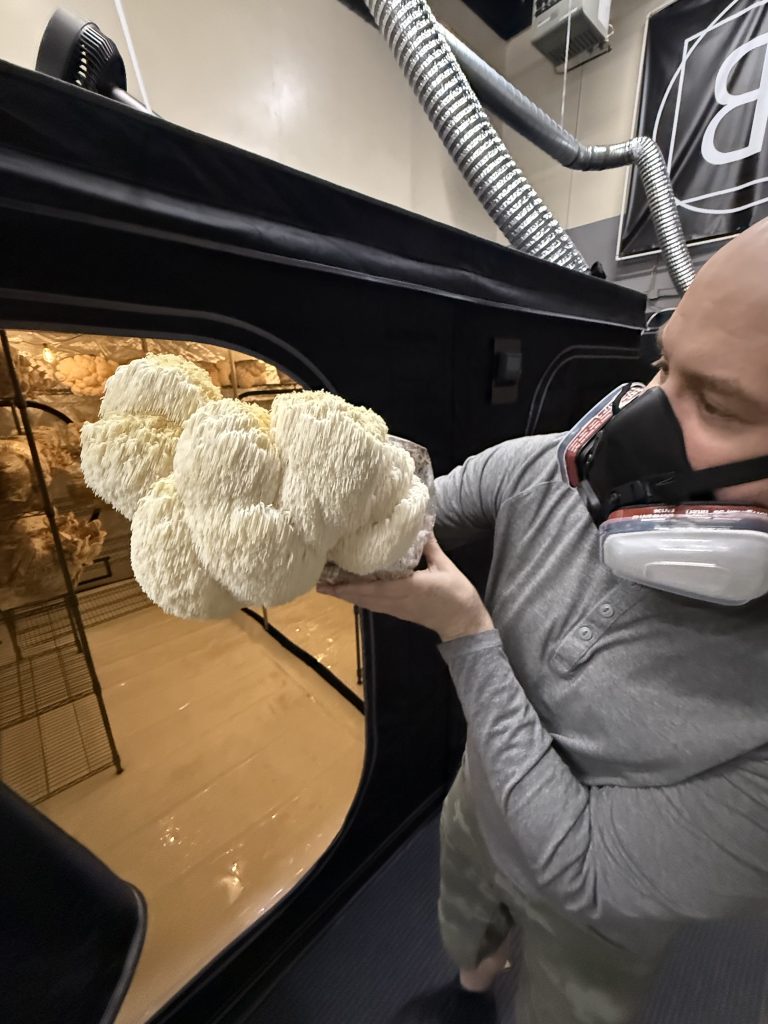
    Lion’s Mane

    Today, Basidia Farms primarily grows Lion’s Mane, the cornerstone ingredient in LINC, with Turkey Tail and other functional mushrooms currently in development.

    What Makes LINC Different

    LINC is a thoughtfully formulated Lion’s Mane and Zinc tincture, created to support brain health, the nervous system, and immune function. Unlike many supplements on the market, LINC is produced by a company that grows its own primary ingredient—giving Basidia Farms full control over quality from cultivation to final bottling.

    Key differentiators include:

    • Organically grown Lion’s Mane mushrooms

    • High-potency tincture format for absorption

    • Zinc to support immune and nervous system function

    • No fillers, shortcuts, or mass-market sourcing

    • Clean, intentional packaging that reflects what’s inside

    In an industry crowded with diluted or poorly sourced products, Basidia Farms is focused on doing it the right way—even when it takes longer.

    Early Customer Feedback Is Generating Buzz

    While Basidia Farms does not make medical claims, early customer feedback has been encouraging. Several individuals have shared that tingling or nerve-related sensations lessened after using LINC, and one customer mentioned experiencing relief related to neuropathy symptoms.

    Cory is careful to emphasize that LINC is not intended to diagnose or treat medical conditions, and results vary. However, consistent feedback from multiple customers reinforces the importance of formulation, potency, and ingredient integrity.

    From Boise to Nationwide Distribution via Amazon

    Breaking into Amazon was one of the most challenging steps in Cory’s journey, from barcode ownership issues to fulfillment requirements. After months of persistence, LINC is now positioned in Amazon’s distribution network, allowing Basidia Farms to reach customers across the country while maintaining a small, focused operation.

    Sending over 900 bottles into Amazon fulfillment centers marks a significant early milestone for a one-year-old brand built entirely in Idaho.

    Growing Retail Presence in Idaho

    While national distribution is underway, Basidia Farms remains committed to building strong local relationships. LINC is currently available at:

    • Ripp’d Nutrition

    • Crone’s Cupboard

    Both retailers align with the brand’s emphasis on quality, transparency, and functional wellness. Cory hopes to expand into additional health-focused retailers in the future, including locations like Customedica, as the brand continues to gain traction.

    Beautifully Executed, Inside and Out

    LINC’s packaging is modern, clean, and professionally executed—but the true value lies inside the bottle. The product reflects Basidia Farms’ core philosophy: organic integrity, thoughtful formulation, and long-term wellness over trends or hype.

    Reaching the one-year mark and launching a nationally distributed product places Basidia Farms in rare company among small businesses—and Cory knows this is only the beginning.

    What’s Next for Basidia Farms

    With LINC gaining momentum, Cory is already developing his second product: a Turkey Tail mushroom and ashwagandha tincture. While launching again brings its own challenges, the foundation is now in place.

    Future growth includes:

    • Expanded farmers market presence in Boise and Nampa

    • Continued USDA organic handling and processing certification

    • Strategic retail partnerships within Idaho and beyond

    • Ongoing education around organic, functional mushrooms

    Why Basidia Farms Is Truly “It’s a Boise Thing”

    Basidia Farms isn’t a trend-driven supplement brand—it’s a local organic farm turned functional wellness company, built deliberately and thoughtfully in Idaho.

    From growing mushrooms to distributing a national product, Cory Ramsay is proving that Boise entrepreneurs can build scalable brands without compromising their values.

    As LINC continues its journey from Idaho to households across the country, Basidia Farms stands out as a Boise thing to watch.


    3,639FansLike
    5,898FollowersFollow
    2,623FollowersFollow